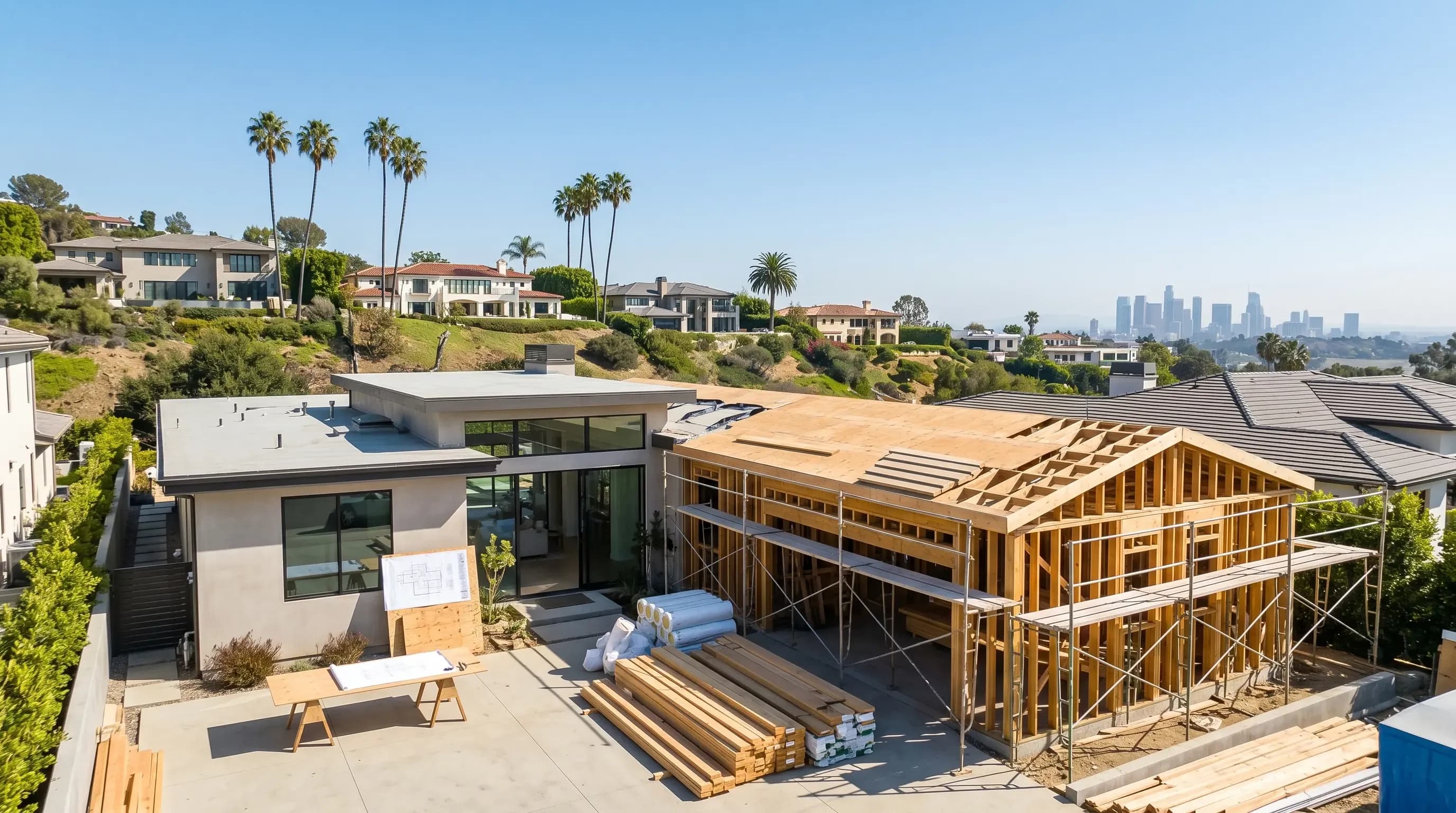
Outgrowing your Los Angeles home but love your current neighborhood? Expanding your footprint is the perfect solution. However, determining the required financial investment requires a deep dive into local market rates.
The cost to expand your property goes far beyond just raw materials, encompassing everything from hillside engineering to strict local building codes. In this guide, we break down exactly what you can expect to spend per square foot in 2026 to add beautiful, functional space to your Southern California home.
Understanding Los Angeles Home Addition Costs
The Los Angeles real estate market is incredibly unique, characterized by stringent building codes, diverse topography, and premium labor rates. Understanding these baseline factors will help you set realistic financial expectations before drafting your first blueprint.
Average Cost Per Square Foot in 2026
In 2026, Los Angeles homeowners can generally expect to pay between $300 and $500 per square foot for standard ground-floor extensions. However, integrating high-end luxury finishes, complex structural engineering, or custom architectural details can easily push this number toward $600 to $800 per square foot.
The Difference Between Building Up vs Building Out
Expanding your footprint outward into the yard is almost always more cost-effective than building up. A second-story addition is a massive structural undertaking that requires removing the existing roof, reinforcing the ground-floor foundation to support the new overhead weight, and sacrificing lower-level square footage to build a staircase.
How Lot Size and Topography Affect Pricing
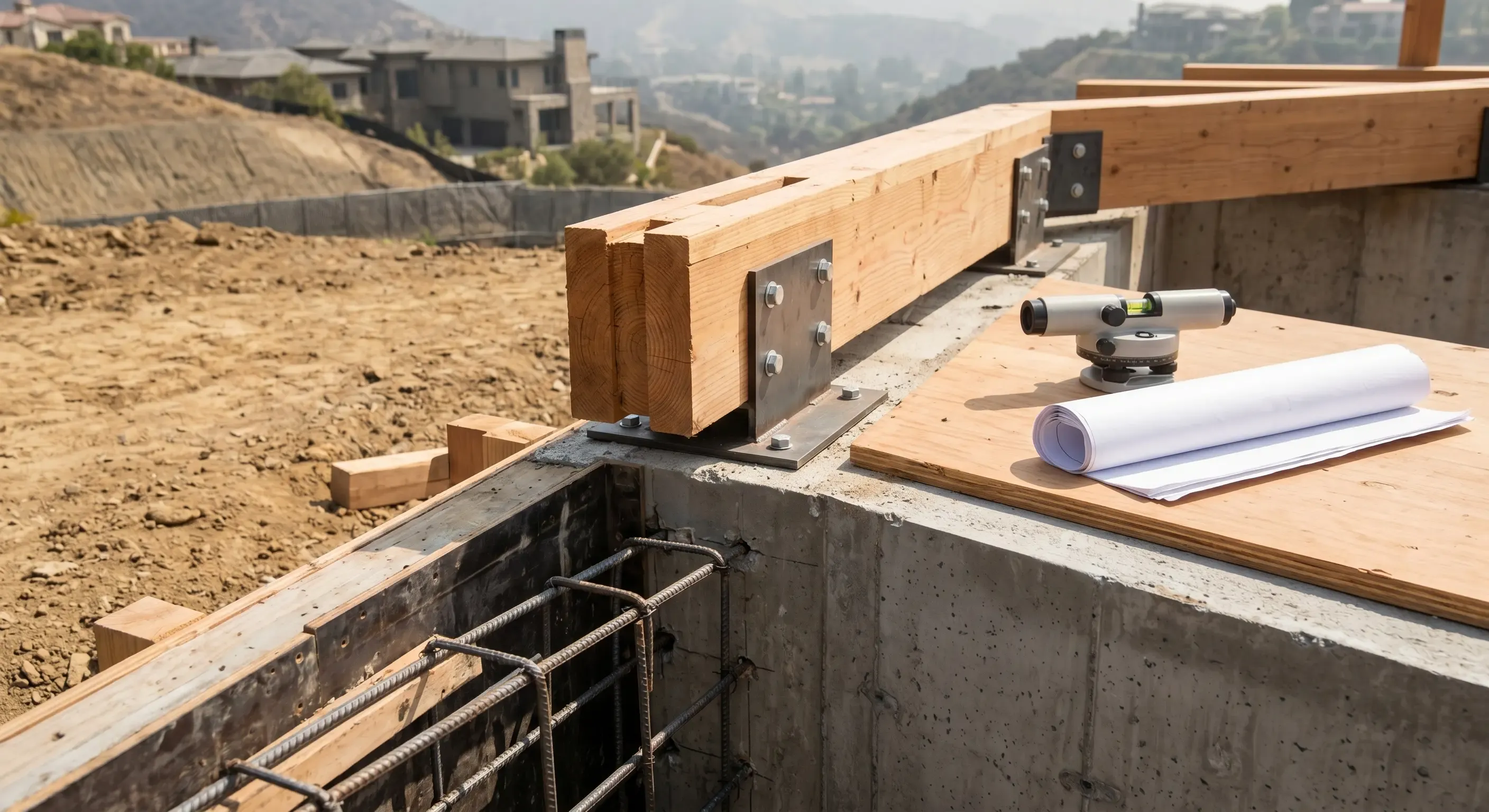
Flat, easily accessible lots in neighborhoods like the San Fernando Valley are much simpler and cheaper to build on. Conversely, if your property is nestled in the Hollywood Hills or a coastal canyon, the steep topography will necessitate expensive caissons, retaining walls, and complex soil grading.
The Impact of Local Zoning and City Ordinances
Local zoning regulations strictly dictate how close you can build to your property line. These setback rules, combined with potential Historic Preservation Overlay Zone restrictions, can heavily influence the allowable size, height, and exterior styling of your new space.
Cost Breakdown by Type of Home Addition
The total investment for home additions varies drastically depending on the room's intended function. Spaces requiring extensive plumbing and ventilation will naturally demand a higher budget than standard dry living areas.
Room Type | Average Sq. Ft. | Average Cost Range in Los Angeles |
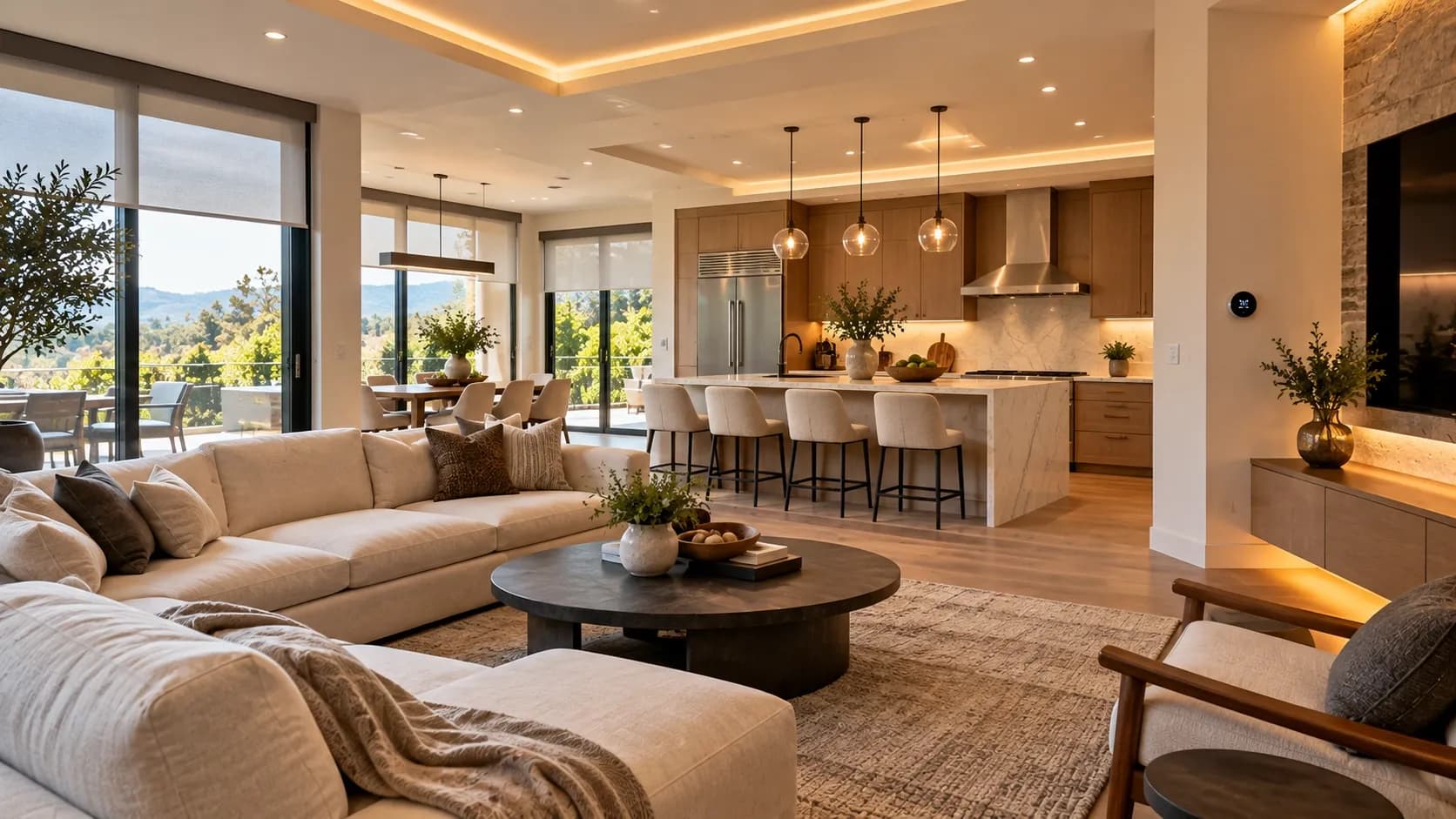
Master Suite Addition | 400 - 500 sq. ft. | $150,000 - $250,000+ |
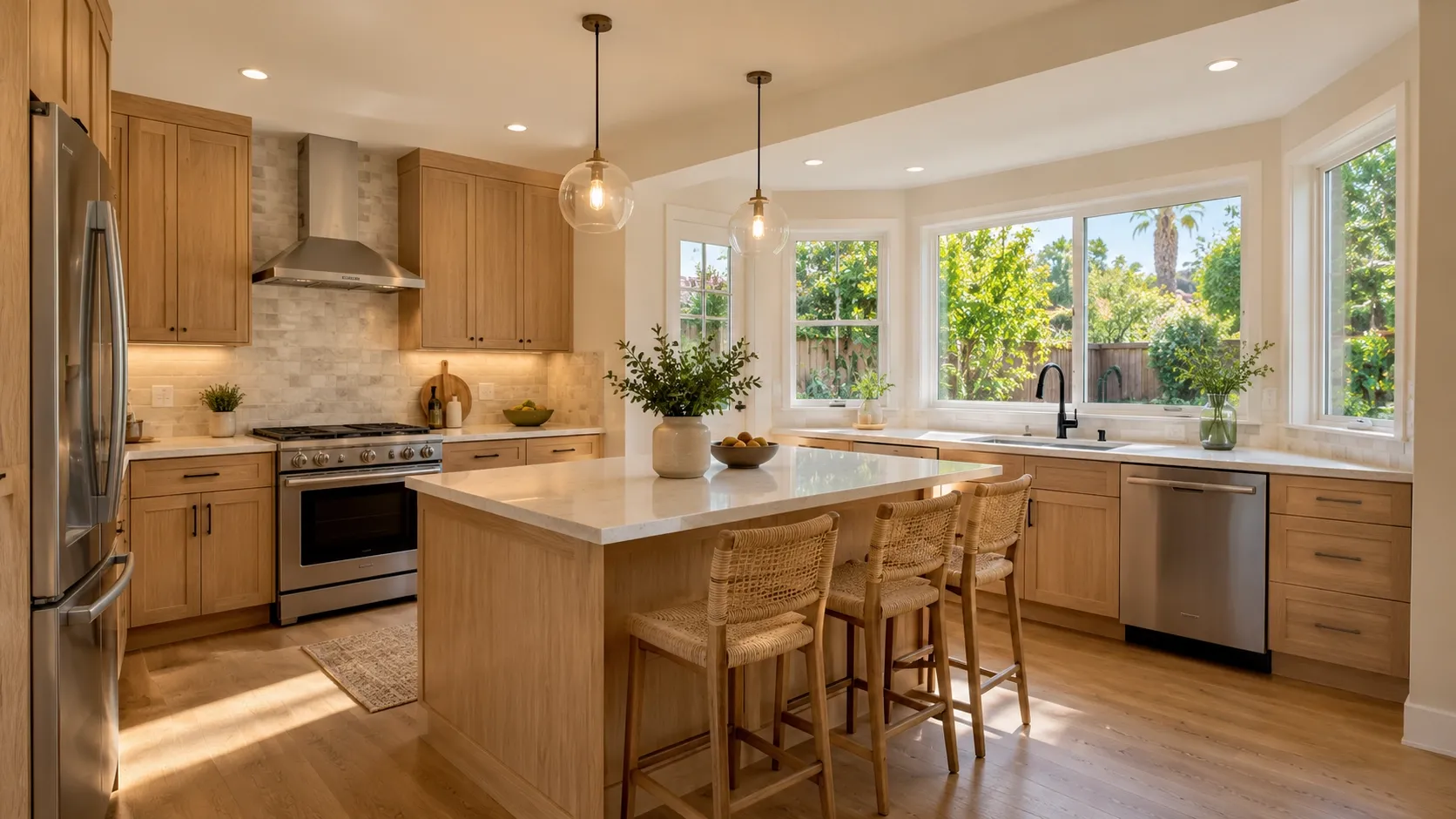
Kitchen Expansion | 200 - 300 sq. ft. | $100,000 - $150,000+ |
Bathroom Addition | 100 - 150 sq. ft. | $70,000 - $110,000+ |
Standard Bedroom | 150 - 200 sq. ft. | $50,000 - $80,000+ |
Major Factors That Influence Your Final Budget
Beyond the raw square footage, several distinct elements will dictate whether your construction project leans toward the lower or higher end of the pricing spectrum.
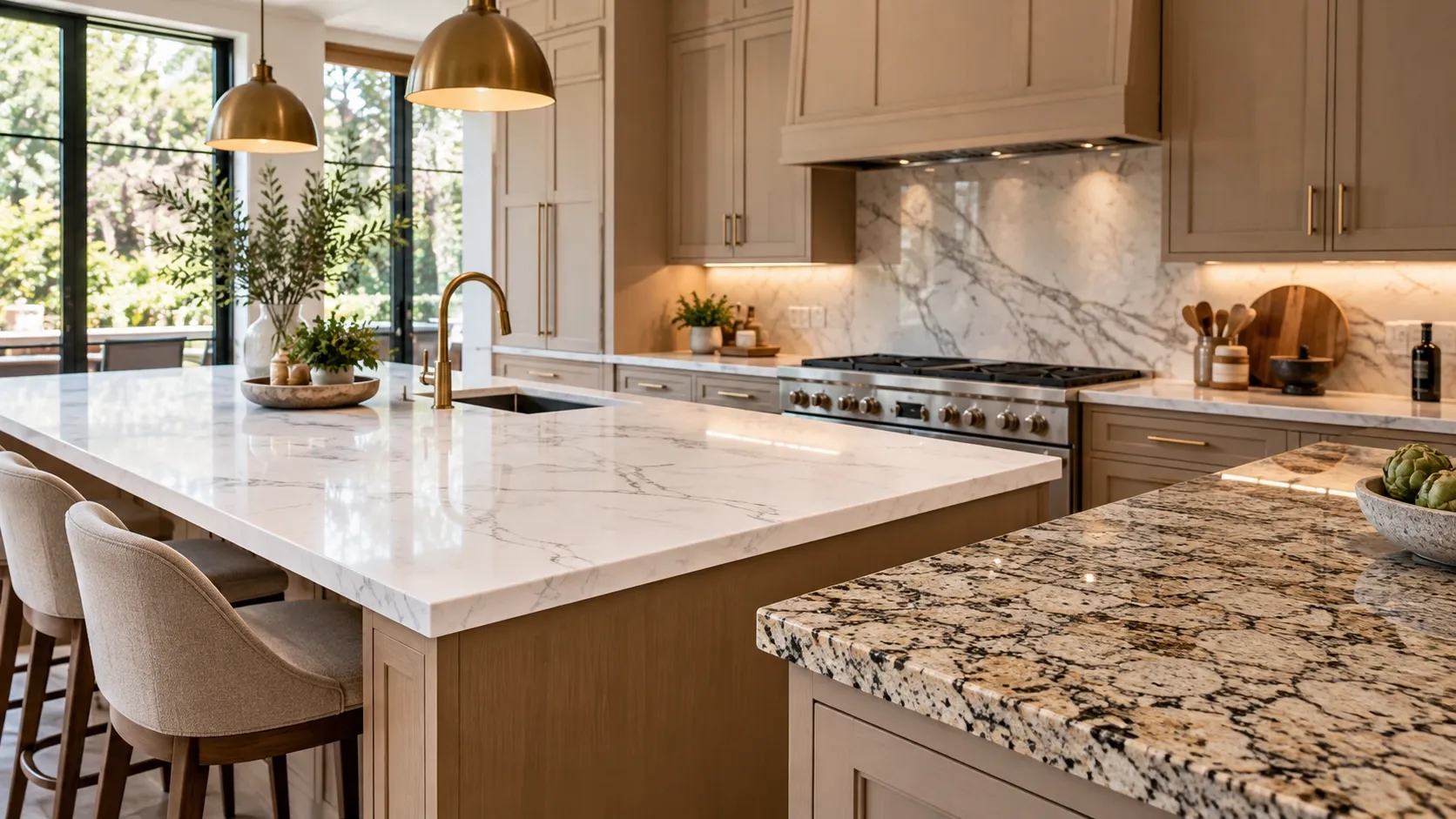
- Materials and Finishes: Selecting custom cabinetry, imported stone countertops, and luxury hardwood flooring will significantly elevate the final price compared to standard builder-grade materials.
- Site Preparation: Clearing mature trees, demolishing existing concrete patios, or leveling uneven ground adds thousands of dollars to the initial earthwork phase.
- Specialized Labor: Hiring master tradespeople for complex bathroom remodeling integrations or intricate whole-home electrical work commands premium hourly rates.
- Design and Architecture: Engaging an expert design-build firm for custom blueprints is an upfront investment that prevents incredibly costly construction errors down the line.
Navigating Hard Costs vs Soft Costs
A comprehensive budget must accurately account for both the physical building materials, known as hard costs, and the administrative or preparatory expenses, known as soft costs.
Construction Labor and Subcontractor Fees
Hard costs primarily consist of the physical materials and the labor required to frame, wire, and finish the new space. Your general contractor coordinates these specialized subcontractors, ensuring precision and quality control across every phase of the build.
Architecture and Structural Engineering Costs
Before any physical construction begins, licensed architects and structural engineers must draft precise blueprints. These technical plans ensure the new structure integrates seamlessly with your existing roofline and foundation while meeting all state safety standards.
LADBS Permitting and Plan Check Fees
Navigating the LADBS permitting process is a mandatory step that carries its own set of municipal fees. Plan checks, city inspections, and the final permit issuance are calculated based on the total estimated valuation of your addition.
Essential Soil Reports and Land Surveys
Southern California's seismic activity requires careful land analysis before breaking ground. Geotechnical soil reports and land surveys ensure the earth can safely bear the weight of your new structure without risking future foundation settling or failure.
Need an accurate quote? Book a free estimate today.
Financing Options for Your Los Angeles Addition
Expanding your home is a major financial undertaking, but most homeowners do not pay for these extensive projects out of pocket. Understanding the various funding mechanisms available can help you secure the capital needed to begin construction without straining your daily finances.
Cash and Liquid Assets
Funding your addition with liquid savings is the most straightforward approach, as it eliminates interest rates, loan origination fees, and monthly payments. Paying in cash is highly advantageous if you have significant reserves, allowing you to bypass bank approvals and move directly into the design phase.
Home Equity Lines of Credit (HELOC)
A HELOC allows you to borrow against the available equity in your property. It functions much like a credit card, giving you a revolving line of funds that you can draw from as needed to pay contractors throughout the various phases of construction.
Cash-Out Refinancing Strategies
If interest rates are favorable, a cash-out refinance replaces your current mortgage with a new, larger loan. You receive the difference in a lump sum of cash, which can then be utilized to fund the addition. This strategy is ideal for homeowners who have built substantial equity over the years.
Construction-to-Permanent Loans
A construction loan provides short-term funding specifically designed to cover the costs of building. The lender pays out the money in strategic draws as project milestones are met. Once the addition is complete, the loan seamlessly converts into a standard long-term mortgage.
Smart Ways to Save on Your Project Without Sacrificing Quality
Partnering with an experienced builder allows you to leverage industry secrets to control costs. By making strategic design choices early on, you can keep your budget in check without compromising the final aesthetic.
- Choosing Cost-Effective Finish Materials: Opting for high-quality alternatives, such as luxury vinyl plank instead of solid hardwood, can save thousands. If you are tackling kitchen remodeling alongside your addition, semi-custom cabinetry offers a premium look at a fraction of the cost of fully bespoke woodwork.
- Avoiding Mid-Project Design Changes: Altering the floor plan or swapping materials after construction has started leads to expensive change orders and severe timeline delays.
- Keeping Existing Plumbing and HVAC Locations: Tying your new addition into existing utility lines is far cheaper than trenching new pipes or heavily rerouting the central air system across the property.
- Timing Your Renovation Seasonally: Booking your contractor during off-peak seasons can sometimes yield better pricing and more flexible scheduling for critical subcontractor trades.
The Return on Investment of Adding Square Footage
Beyond the immediate lifestyle benefits, expanding your home is a highly effective way to build long-term wealth. In a high-demand real estate market like Los Angeles, increasing your livable space yields a substantial return on investment.
How Extra Bedrooms Increase Resale Value
Unlike purely cosmetic home remodeling, adding actual square footage fundamentally shifts your property into a higher pricing tier. Transitioning a two-bedroom house into a three-bedroom home dramatically expands your pool of potential buyers and drives up the baseline property value.
The ROI of Master Suite Additions
Modern buyers expect luxurious, private retreats. Adding a dedicated primary suite with a walk-in closet and an en-suite bath offers one of the highest returns on investment, making your property highly competitive when it is time to sell.
Boosting Property Value with a Bathroom Addition
Homes with a disproportionate bedroom-to-bathroom ratio often sit longer on the market. Adding even a simple half-bath or a functional guest bathroom eliminates a major buyer pain point and instantly increases your home's appraisal value.
Long-Term Property Tax Implications in California
It is vital to remember that adding square footage will trigger a reassessment of your property taxes. However, under California's Proposition 13, only the newly added value of the construction is assessed at current market rates, while your existing home's base tax rate remains protected.
Conclusion
Expanding your Los Angeles home is a complex but incredibly rewarding investment that enhances your daily life and boosts your property's value. From navigating local zoning laws and structural engineering to keeping a firm grip on hard and soft costs, success lies in meticulous planning.
Ready to expand your space? Book a free estimate today.
Frequently Asked Questions
A 500-square-foot addition in Los Angeles typically costs between $150,000 and $250,000. The final price depends heavily on the room's purpose; a standard bedroom will fall on the lower end, while a master suite requiring plumbing and luxury finishes will sit at the higher end of that range.
It is almost always cheaper to extend the ground floor. Building a second story requires removing the existing roof, heavily reinforcing the first-floor foundation to support the new weight, and sacrificing lower-level space to construct a staircase.
Securing permits for a home addition through the Los Angeles Department of Building and Safety usually takes between three to six months. However, if your property is located in a coastal zone or a hillside area, the approval process can take significantly longer.
Yes, the city of Los Angeles requires stamped architectural and structural engineering plans to issue building permits. Working with a unified design-build firm ensures that these architectural plans are created with your specific construction budget in mind.