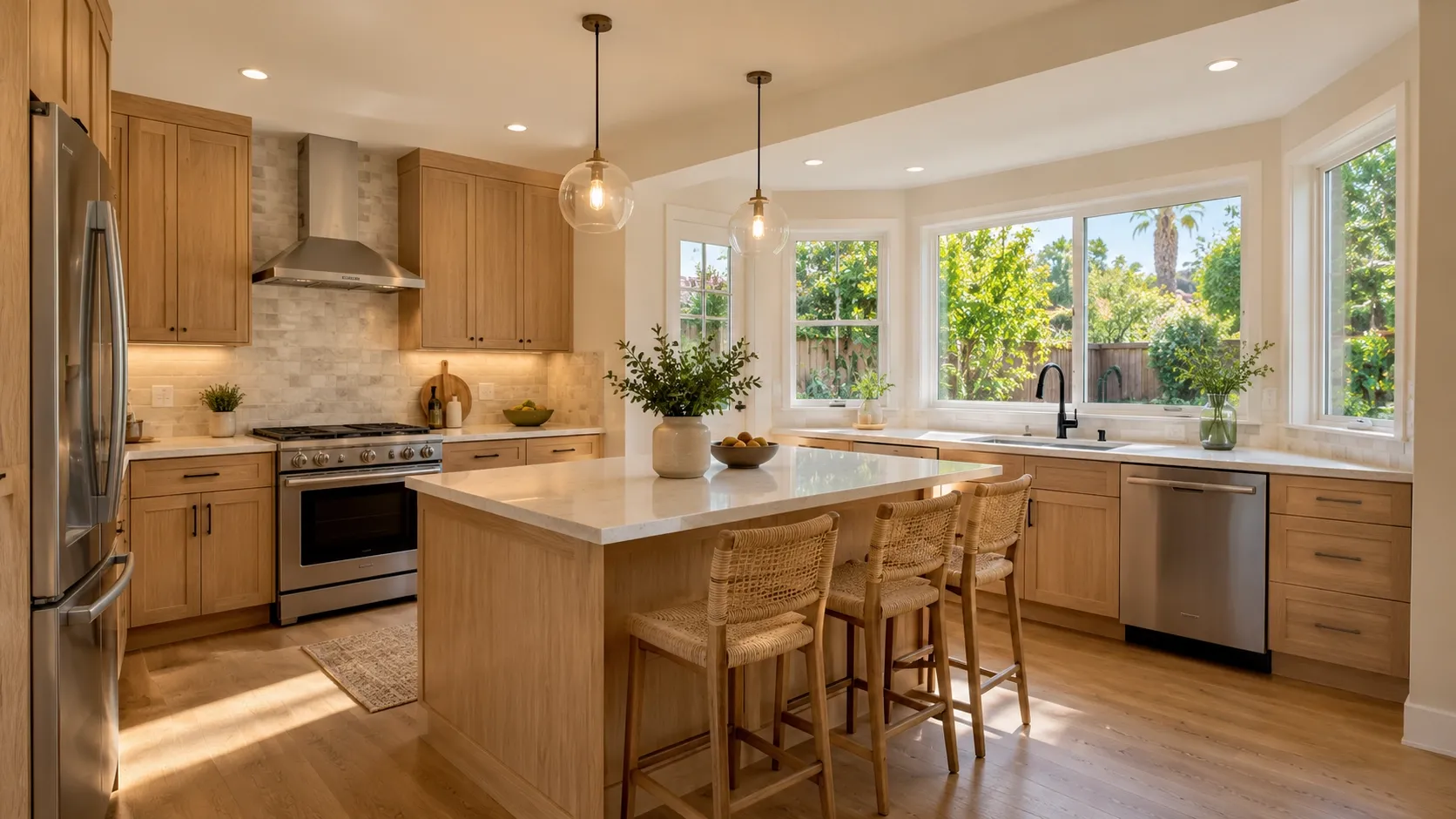

A whole house remodel can completely transform how you live but without proper planning, it can quickly become overwhelming, expensive, and stressful. The difference between a smooth renovation and a frustrating experience often comes down to preparation.
When you approach your whole house remodel with a clear vision, realistic budget, and structured timeline, you stay in control of decisions, costs, and expectations. This step-by-step guide will help you plan strategically so your renovation feels exciting instead of exhausting.
Is a Whole House Remodel Right for You?
Before diving into planning, it’s important to determine whether a whole house remodel is truly the right move.
A full remodel typically makes sense if:
- Your home feels outdated in multiple areas
- Major systems like plumbing or electrical need upgrades
- Your layout no longer fits your lifestyle
- You love your location but not your current space
However, a whole house renovation is a major investment. If only one or two rooms need updating, a targeted remodel may be more practical. Similarly, if structural problems are extensive or the home’s layout cannot meet your long-term needs, moving might be worth considering.
Step 1: Define Your Vision and Goals
Clarity reduces stress. Before meeting contractors or requesting estimates, define what success looks like for your remodel.
Start by asking yourself:
- What problems are we trying to solve?
- How do we want this home to feel?
- Are we remodeling for resale or long-term living?
Separate needs from wants. Structural repairs, layout improvements, and system upgrades are often necessities. Luxury finishes and custom features fall into the “nice to have” category. Prioritizing early helps you make smart decisions later if adjustments become necessary.
Step 2: Set a Realistic Budget
Budget surprises are one of the biggest causes of remodeling stress. Establishing a clear and realistic financial plan protects you from unnecessary anxiety.
Whole house remodel costs in the US typically vary based on home size, scope, and finishes. Factors that influence pricing include:
- Structural changes
- Electrical and plumbing upgrades
- Material selections
- Labor costs in your region
- Permit requirements
Beyond base construction costs, always include a contingency fund. Most professionals recommend setting aside 10 to 20 percent of your total budget for unexpected discoveries such as outdated wiring, hidden water damage, or structural issues.
Step 3: Create a Clear Remodeling Timeline
A structured timeline keeps expectations realistic and reduces frustration. While every project differs, most whole house remodels follow four primary phases.
Design Phase
This phase includes concept development, architectural drawings, layout revisions, and material selections. You will work closely with designers or architects to finalize plans.
Depending on complexity, the design phase can take several weeks to a few months. Rushing this stage often leads to costly changes later, so thoughtful planning here saves time during construction.
Permits and Approvals
Most whole house remodels require permits, especially when structural, electrical, or plumbing work is involved.
Permit approval timelines vary by location and scope. Some municipalities process permits quickly, while others may take several weeks. This step cannot be skipped without legal and financial risk.
Planning for permit timelines in advance prevents unexpected delays once construction begins.
Construction Phase
This is where transformation happens. The construction phase typically includes:
- Demolition
- Structural modifications
- Mechanical system updates
- Installation of finishes
- Painting and final detailing
Clear communication during this stage is essential. Regular progress meetings help address questions early and prevent misunderstandings.
Final Inspections and Walkthrough
Once construction wraps up, final inspections ensure the work meets building codes and safety standards.
After inspections, conduct a detailed walkthrough with your contractor. Create a punch list of any minor adjustments or finishing touches that need correction.
Review warranties, collect documentation, and confirm that all systems are functioning properly before making final payments.
Step 4: Hire the Right Remodeling Professionals
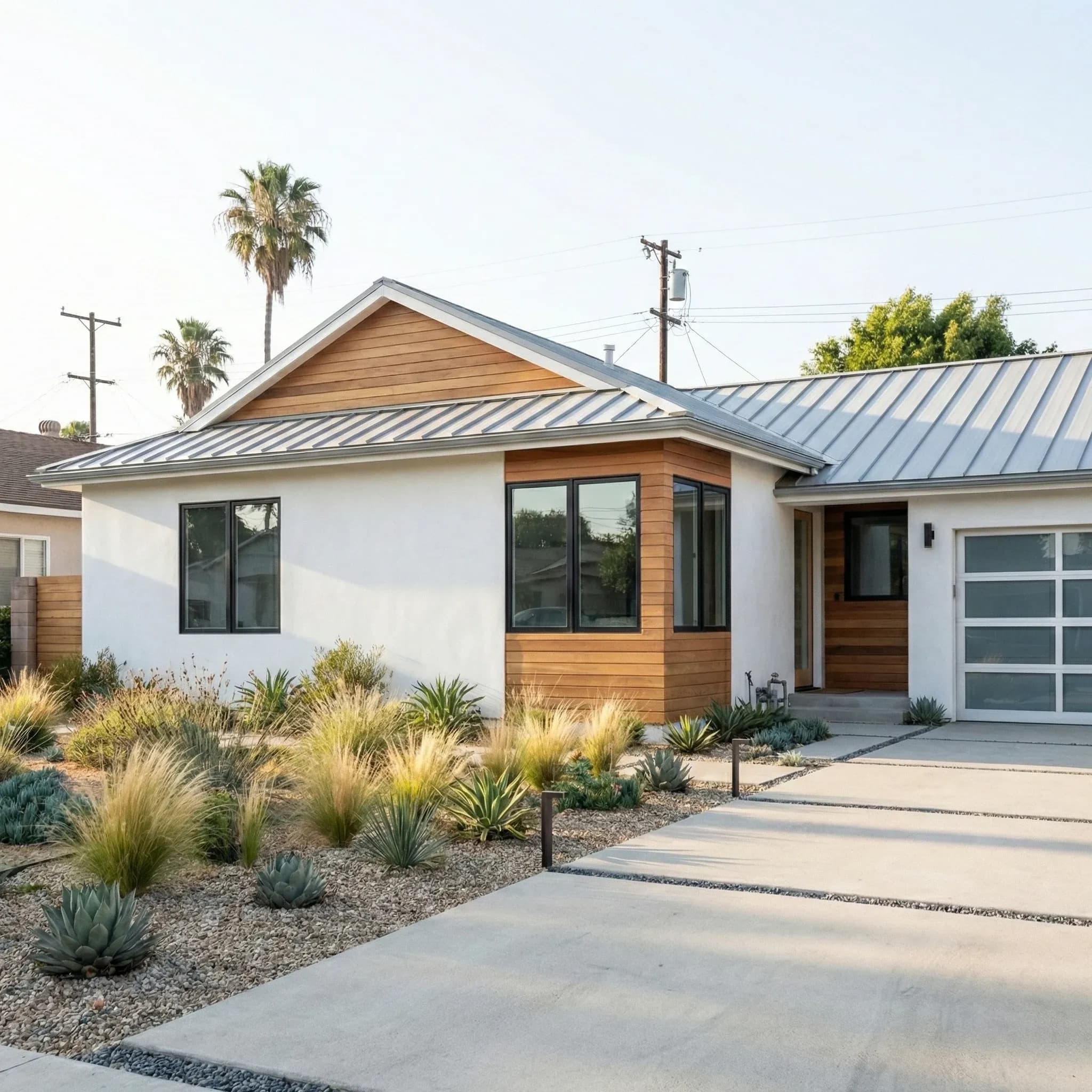
Choosing the right team is one of the most critical decisions in a whole house remodel. A skilled and experienced professional can make the process organized and predictable, while the wrong hire can create delays, budget overruns, and unnecessary stress.
Depending on the scope of your renovation, you may need a general contractor, a design-build firm, or an architect. For structural changes or major layout modifications, working with professionals who have proven whole house experience is essential.
Strong professionals set expectations clearly and maintain consistent updates throughout the project. That level of organization plays a major role in keeping your remodel stress-free.
Step 5: Understand Permits and Local Building Codes
Permits may feel like a technical detail, but they are a crucial part of a successful whole house remodel. Most structural, electrical, plumbing, or HVAC updates require formal approval from your local building department.
Permit timelines vary depending on your location and the complexity of your project. Some approvals move quickly, while others may take several weeks. Factoring this time into your remodeling schedule prevents unnecessary frustration.
Skipping permits can create serious consequences, including fines, forced removal of completed work, and complications when selling your home. Proper inspections also ensure that your renovation meets safety standards and building codes.
Step 6: Choose Materials and Finishes Early
One of the most common causes of project delays is late material selection. Cabinets, appliances, windows, specialty tile, and custom finishes often require extended lead times.
Selecting materials during the design phase allows your contractor to order items early, confirm availability, and schedule installation accurately. It also helps prevent rushed decisions when deadlines approach.
When choosing finishes, balance aesthetics with practicality. Consider durability, maintenance requirements, warranty coverage, and how each material fits into your overall budget. Thoughtful planning here reduces mid-project changes and keeps the timeline intact.
Step 7: Plan for Temporary Living Arrangements
Whole house remodels significantly disrupt daily routines. In many cases, kitchens and bathrooms become unusable for extended periods, and noise levels can be high.
Some homeowners choose to relocate temporarily during major renovations, especially when structural work or full system replacements are involved. Others create temporary living setups within the home if certain areas remain functional.
Step 8: Communicate Clearly Throughout the Project
Clear communication is the foundation of a smooth remodeling experience. From the beginning, establish how often updates will be provided and who your primary point of contact will be.
Regular check-ins allow you to review progress, discuss upcoming phases, and address concerns before they escalate. Even small misunderstandings can lead to delays if not handled quickly.
Step 9: Prepare for Unexpected Challenges
Even the most carefully planned remodel can uncover hidden issues. Older homes may reveal outdated wiring, plumbing problems, or structural concerns once walls are opened.
The best way to reduce stress is to expect that surprises may happen. A contingency budget provides financial flexibility, while a calm, solution-focused mindset helps you make smart decisions.
When unexpected issues arise, prioritize safety and structural integrity first. Cosmetic adjustments can often wait, but system or safety problems should be addressed immediately.
Final Walkthrough and Project Close-Out
As construction concludes, take time to carefully inspect the completed work. A final walkthrough ensures that all agreed-upon details have been delivered properly.
Test fixtures, inspect finishes, verify that materials match the contract, and ensure systems are functioning correctly. Any minor corrections should be documented in a punch list and resolved before final payment.
Before officially closing the project, collect warranty information, permit approvals, inspection documentation, and maintenance guidelines. Having these records organized protects your investment and provides peace of mind.
Conclusion
Planning a stress-free whole house remodel is not about avoiding challenges entirely. It is about preparing for them with clarity, structure, and the right team in place. When you define your goals early, set a realistic budget, create a detailed timeline, and communicate consistently, you remove much of the uncertainty that causes stress.
Frequently Asked Questions
Costs vary widely based on location, square footage, and design choices. In the United States, whole house remodels often range from moderate six figures to higher-end investments for luxury finishes. Always include a 10 to 20 percent contingency fund for unexpected issues.
In some cases, yes. However, if major systems like plumbing, electrical, or HVAC are being replaced, or if kitchens and bathrooms will be unusable, temporary relocation may be more practical and comfortable.
One of the most common mistakes is underestimating costs and timelines. Skipping detailed planning, rushing design decisions, or failing to document changes can lead to delays and budget overruns.
Set a realistic budget from the beginning, include a contingency fund, choose materials early, and document all changes in writing. Clear communication and structured payment schedules also help prevent financial surprises.