When homeowners plan a kitchen remodel, one major question always comes up: will this style actually increase my home’s value? The kitchen is often considered the heart of the home, and for buyers, it can be the deciding factor between making an offer or walking away.
Choosing between a modern or traditional kitchen is not just a design decision. It is a financial one. Understanding how each style performs in today’s US housing market can help you invest wisely and maximize long-term value.
Does Kitchen Style Really Affect Home Value?
Yes, kitchen style does influence home value, but not in isolation. Buyers respond more strongly to functionality, layout efficiency, overall condition, and design cohesion than to a specific trend or aesthetic.
A well-executed kitchen remodel can significantly improve buyer perception and increase a home’s market appeal. However, value is typically driven by practical factors such as an efficient layout that supports workflow, quality materials and solid craftsmanship, updated electrical and plumbing systems, modern appliances, and neutral finishes that appeal to a broad range of buyers.
If a modern or traditional design enhances functionality and complements the home’s architectural style, it can positively impact resale value. On the other hand, a poorly planned remodel, regardless of style, can limit buyer interest and reduce return on investment.
Modern Kitchens: Features, Pros, and Value Potential
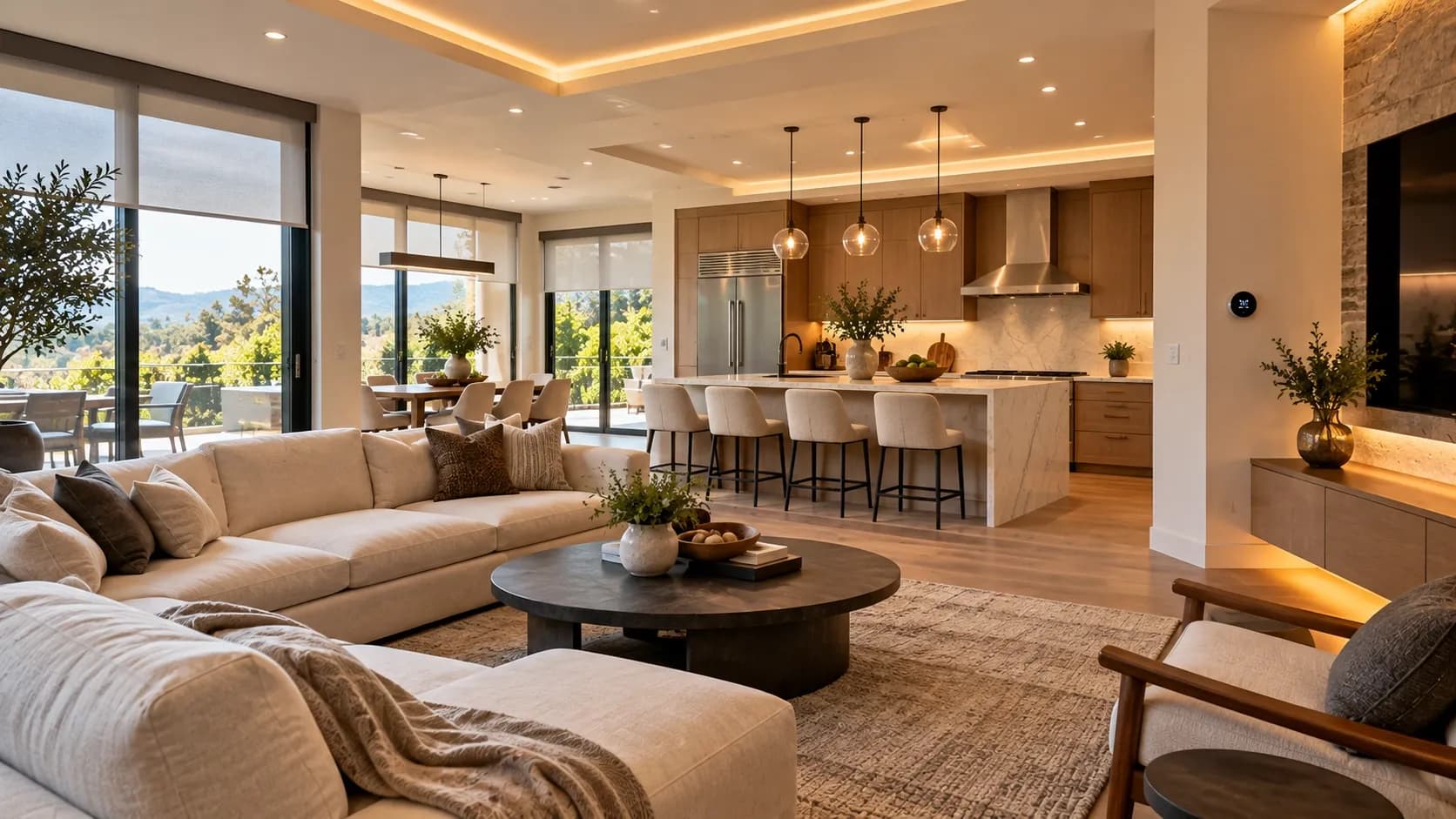
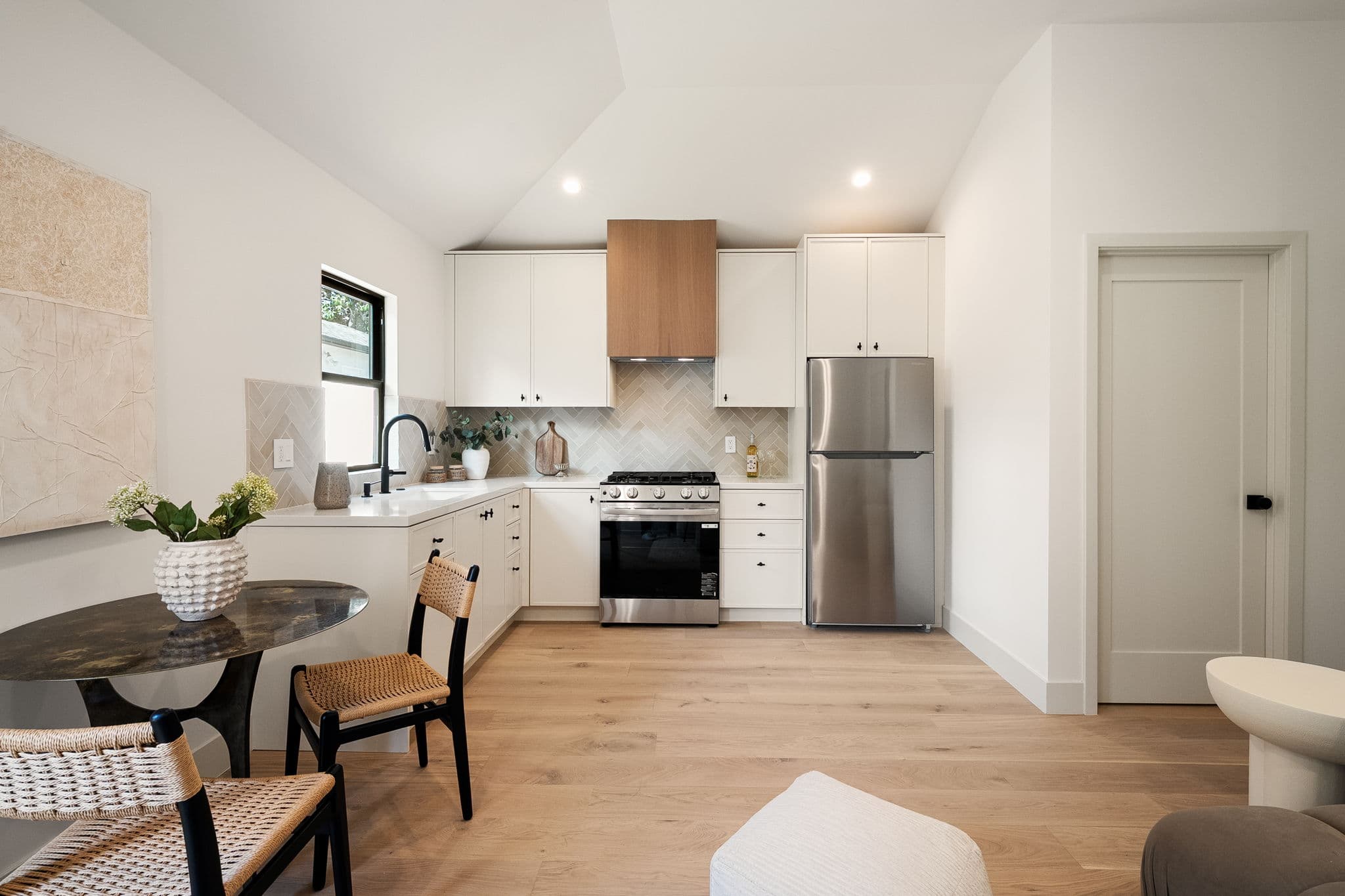
Modern kitchens are known for their clean lines, minimalism, and sleek finishes. They often appeal to buyers who prefer contemporary living and streamlined aesthetics.
Key Characteristics of Modern Kitchens
Modern kitchens typically feature flat-panel cabinets, handleless designs, integrated appliances, and simple color palettes. Neutral tones such as white, gray, black, and natural wood are common, often paired with bold accents or contrasting textures.
Other defining elements include:
- Open layouts with large islands
- Minimal decorative detailing
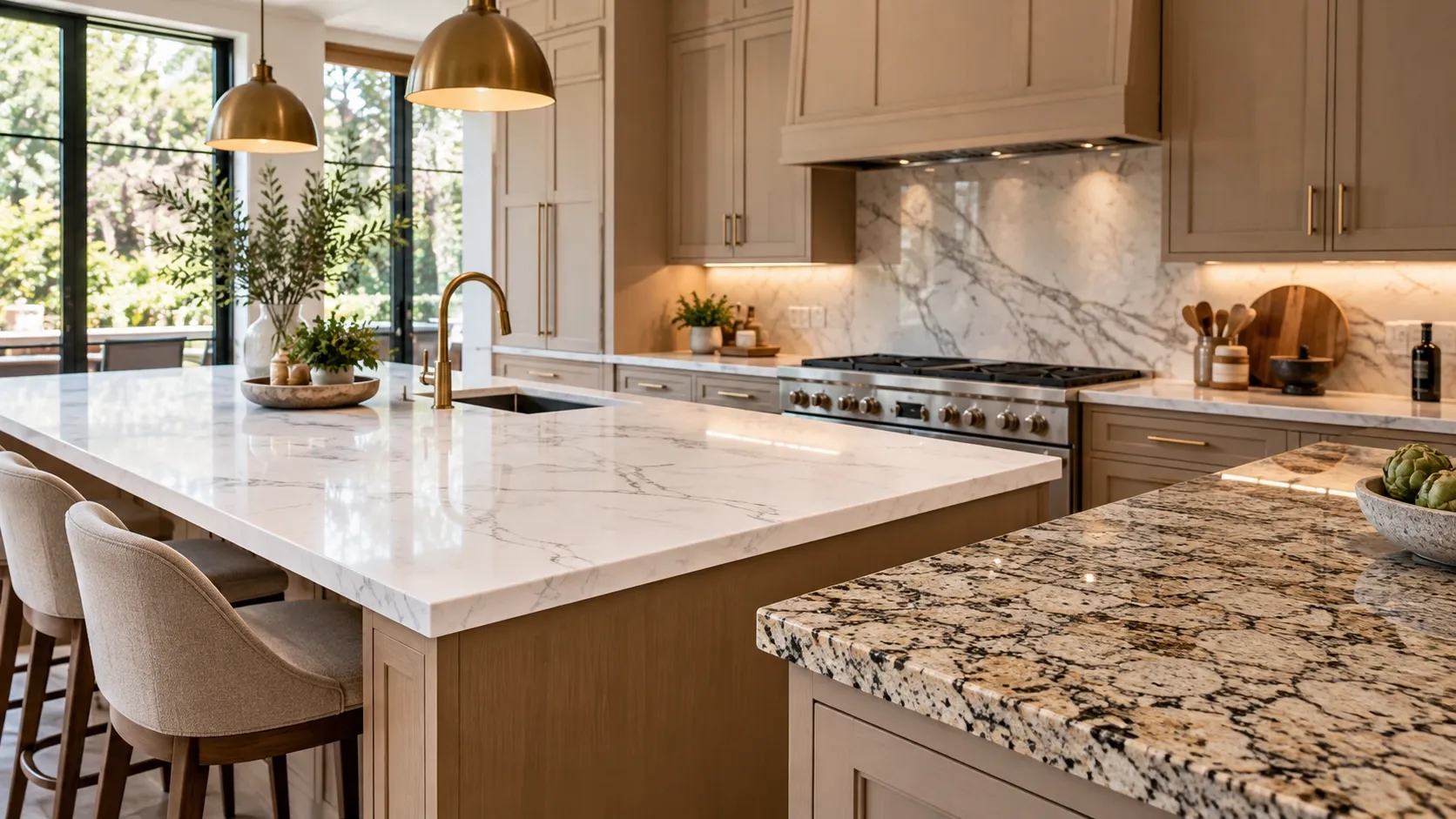
- Smooth surfaces like quartz or polished stone
- Smart appliances and under-cabinet lighting
The overall look is clean, uncluttered, and efficient.
When Modern Kitchens Add the Most Value
Modern kitchens often perform well in:
- Urban neighborhoods
- Newly built communities
- Contemporary-style homes
- Areas with younger buyer demographics
In markets where buyers expect updated finishes and smart technology, modern kitchens can make a property feel move-in ready. They also photograph extremely well for online listings, which plays a major role in today’s digital home searches.
When paired with quality materials and practical storage solutions, modern kitchens can boost both appeal and perceived value.
Potential Downsides for Resale
While modern kitchens are popular, highly trend-driven designs can become outdated quickly. Extremely bold color choices, ultra-gloss finishes, or experimental layouts may limit buyer appeal.
Another risk is over-customization. Highly personalized features may not suit the broader market, especially in neighborhoods dominated by traditional architecture.
To protect resale value, it is best to keep modern kitchens balanced and timeless rather than overly trendy.
Traditional Kitchens: Features, Pros, and Value Potential
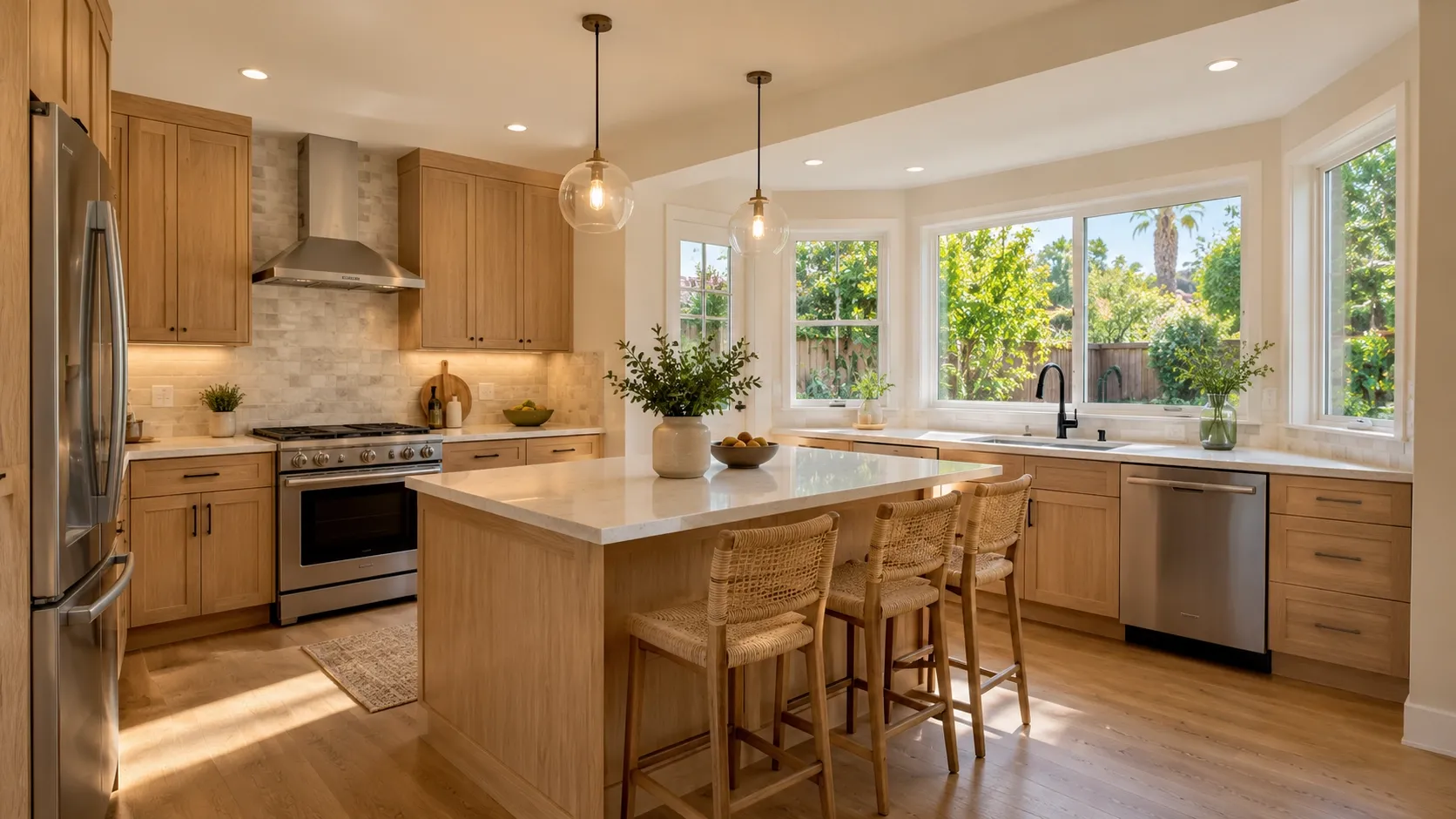
Traditional kitchens focus on warmth, detail, and classic design elements. They often feel inviting and timeless, making them attractive to a wide range of buyers.
Key Characteristics of Traditional Kitchens
Traditional kitchens usually include raised-panel or shaker-style cabinets, decorative moldings, and natural materials. Warm color palettes such as cream, beige, soft gray, and rich wood tones are common.
Other typical features include:
- Detailed cabinetry with crown molding
- Ornate hardware
- Classic tile backsplashes
- Farmhouse or apron-front sinks
- Natural stone countertops
The overall aesthetic emphasizes comfort and craftsmanship.
When Traditional Kitchens Add the Most Value
Traditional kitchens often add strong value in:
- Established neighborhoods
- Historic or classic-style homes
- Suburban family-oriented communities
When the kitchen design complements the architectural style of the home, it enhances overall cohesion. Buyers often appreciate the timeless feel and familiarity of traditional spaces.
Well-executed traditional kitchens tend to age gracefully, which helps preserve value over time.
Potential Downsides for Resale
The main risk with traditional kitchens is appearing dated rather than timeless. Heavy cabinetry, dark finishes, or overly ornate detailing can make the space feel smaller or less modern.
Buyers today generally prefer lighter, brighter environments. If traditional design elements are too elaborate or outdated, they may reduce perceived value.
To maintain resale appeal, traditional kitchens should balance classic details with updated finishes and modern functionality.
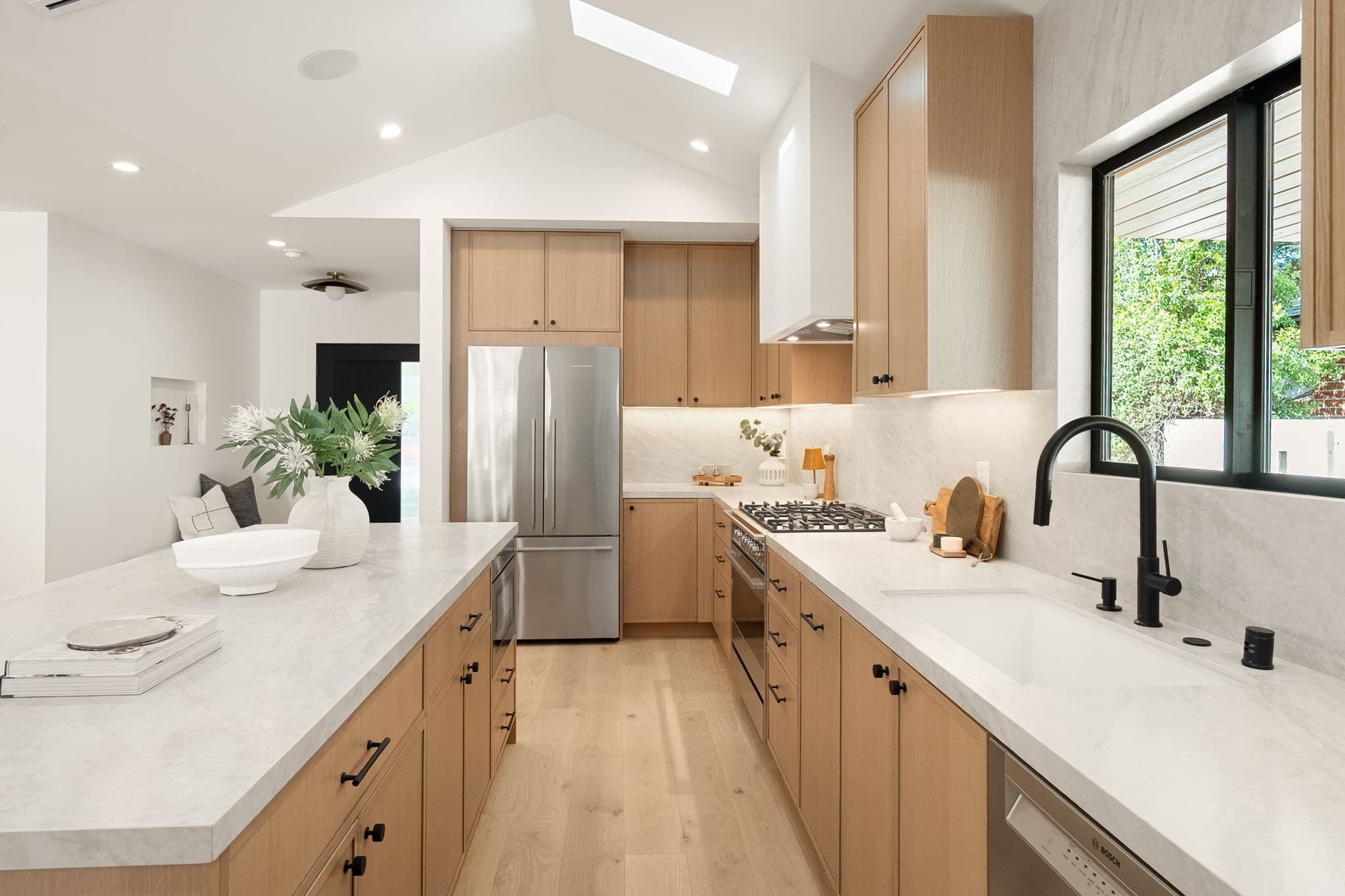
Modern vs Traditional Kitchens: Side-by-Side Comparison
Choosing between a modern and traditional kitchen becomes easier when you compare their features, buyer appeal, and resale considerations side by side. While both styles can add value, the right choice depends on market expectations and how well the design fits your home.
Feature | Modern Kitchen | Traditional Kitchen |
|---|---|---|
Overall Design | Sleek, minimal, clean lines | Classic, detailed, timeless |
Cabinet Style | Flat-panel or slab | Raised-panel or shaker |
Color Palette | Neutral tones, bold contrasts | Warm tones, soft neutrals |
Hardware | Minimal or hidden | Decorative, visible hardware |
Layout | Open concept, large islands | Defined spaces, structured layout |
Buyer Appeal | Popular in urban and newer homes | Strong in established neighborhoods |
Risk Factor | Can become trend-sensitive | Can feel dated if overly ornate |
Long-Term Value | Strong if kept simple and neutral | Strong if balanced and updated |
This comparison shows that neither style automatically guarantees higher value. The real advantage comes from execution, balance, and alignment with the property’s architecture and buyer expectations.
Cost vs Value Comparison
When evaluating modern versus traditional kitchens, cost and return on investment must be considered together. Both styles can fall within similar price ranges depending on materials, labor, and structural changes.
Modern kitchens may involve costs associated with custom cabinetry, integrated appliances, and minimalist detailing.
Traditional kitchens may include expenses related to decorative moldings, detailed millwork, and higher-end wood finishes.
However, the primary cost driver is not style but scope. Structural changes, layout reconfiguration, and mechanical upgrades typically have the greatest financial impact.
Which Kitchen Style Is Best for Your Home?
The best kitchen style is one that complements your home’s architecture and fits your local real estate market. A modern kitchen in a contemporary home can feel cohesive and intentional. Likewise, a traditional kitchen in a classic or historic property enhances authenticity and character.
It is also important to consider your long-term plans. If you intend to sell within a few years, choosing broadly appealing finishes and avoiding extreme trends may be the safest strategy. If you plan to stay long term, personal comfort and lifestyle functionality may matter more than resale optimization.
Conclusion
Both modern and traditional kitchens can add meaningful value when designed thoughtfully and executed with quality craftsmanship. The deciding factor is not the label of the style but how well the remodel improves functionality, complements the home, and aligns with buyer expectations in your market.
Instead of focusing solely on trends, prioritize layout efficiency, durable materials, and timeless finishes. When these fundamentals are in place, either style can enhance appeal, increase marketability, and deliver a solid return on investment.
Frequently Asked Questions
Modern kitchens often attract strong online attention because of their clean lines and bright finishes. In urban areas or newer communities, they may help homes sell faster. However, in traditional neighborhoods, buyers may prefer a classic design that feels cohesive with the rest of the home.
Traditional kitchens are not outdated when designed thoughtfully. Timeless elements such as shaker cabinets, neutral colors, and quality craftsmanship remain highly desirable. The key is avoiding overly ornate details or dark finishes that can make the space feel dated.
A balanced or transitional kitchen style is often considered the safest choice for ROI. It blends modern simplicity with classic details, creating broad buyer appeal while reducing the risk of becoming trend-sensitive.
The ideal investment depends on your home’s value and local market conditions. In many cases, a midrange remodel that focuses on layout improvements, updated cabinets, countertops, and appliances provides better returns than a high-end luxury renovation.