A whole home remodel in 2026 can range from tens of thousands to several hundred thousand dollars, depending on your home's size, the project's scope, material selections, and labor costs. Understanding these factors before construction begins helps you plan a realistic budget and avoid unexpected expenses.
Whether you're updating an older home, improving functionality, or creating your dream living space, knowing what influences remodeling costs is essential. This guide explains the major cost factors, estimated expenses by area, hidden costs to watch for, and practical budgeting tips so you can make informed decisions before starting your project.
What Does a Whole Home Remodel Cost in 2026?
The whole home remodeling costs in 2026 typically range from $100,000 to $500,000 or more, depending on the home's size, the scope of work, material selections, and the complexity of the renovation. Cosmetic updates generally fall at the lower end of the range, while luxury remodels with structural changes, custom finishes, and major system upgrades require a higher investment.
Many homeowners also use the cost per square foot to remodel a house as a budgeting guide. While actual costs vary by project, the following estimates provide a helpful starting point:
Remodel Type | Estimated Cost per Sq. Ft. |
|---|---|
Cosmetic Remodel | $100–$200 |
Mid-Range Remodel | $200–$350 |
High-End Luxury Remodel | $350–$600+ |
These figures are general estimates and can vary depending on your home's condition, local labor rates, permit requirements, and the quality of materials you choose.
For the most accurate whole home remodel cost, consult an experienced design-build contractor who can evaluate your property, understand your goals, and prepare a detailed estimate tailored to your renovation plans instead of relying solely on national averages.
The Biggest Factors That Affect Remodeling Costs
Several factors determine the final whole home remodel cost. Understanding these variables helps you create a realistic budget and avoid unexpected expenses during construction.
Scope of the Renovation
The size and complexity of your project have the greatest impact on cost. Updating paint, flooring, and fixtures is generally more affordable than changing floor plans, removing walls, or adding new living spaces. The more work involved, the higher the overall investment.
Age and Condition of the Home
Older homes often require repairs before remodeling can begin. Outdated plumbing, electrical systems, roofing, or foundation issues may need to be addressed to meet current building codes and ensure the home's safety.
Material and Finish Selections
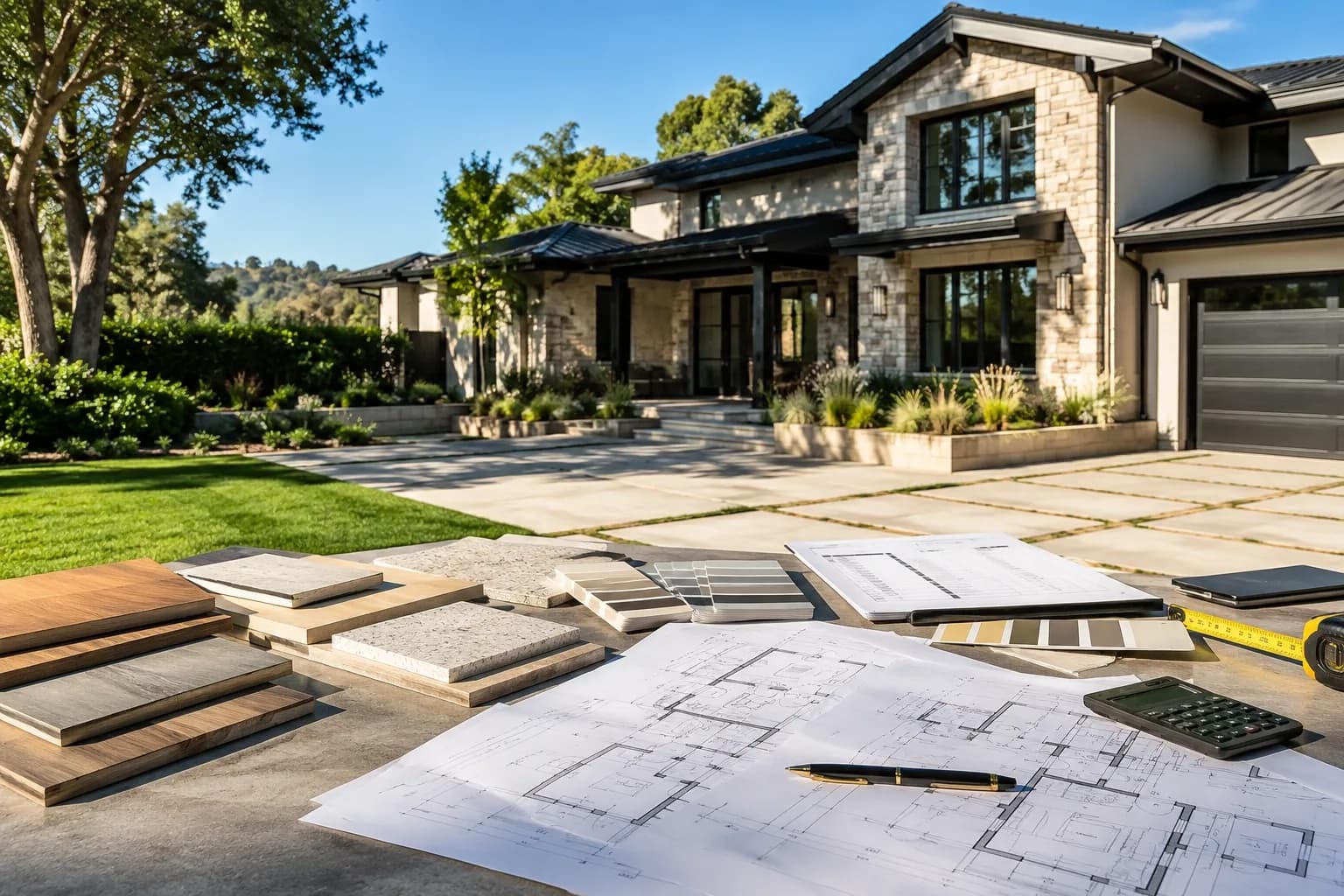
Your choice of materials directly affects your budget. Standard finishes can keep costs manageable, while custom cabinetry, natural stone countertops, premium flooring, and high-end fixtures increase the total project cost.
Structural Changes and Layout Modifications
Opening floor plans, moving walls, relocating kitchens or bathrooms, and adding larger windows require additional engineering, labor, and permits. These improvements can transform a home's functionality but also add to the renovation budget.
Labor, Permits, and Local Regulations
Professional labor, permit fees, inspections, and local building requirements all contribute to home remodeling costs. Working with an experienced design-build contractor helps ensure your project meets regulations, stays organized, and moves forward efficiently.

Estimated Remodeling Costs by Area of the Home
Not every part of a home requires the same level of investment. Some spaces involve complex plumbing, electrical work, or custom finishes, while others can be updated more affordably. Understanding remodeling costs by room helps you prioritize upgrades and build a realistic renovation budget.
Area | Estimated Cost Range (2026) |
|---|---|
Kitchen Remodeling | $30,000–$100,000+ |
Bathroom Remodeling | $15,000–$50,000+ |
Living Areas & Bedrooms | $10,000–$40,000+ |
Flooring, Painting & Interior Finishes | $8,000–$35,000+ |
Electrical, Plumbing & HVAC Upgrades | $10,000–$40,000+ |
Kitchen Remodeling
A kitchen remodeling cost typically ranges from $30,000 to $100,000 or more, depending on the size of the space, cabinetry, countertops, appliances, and layout changes. Custom cabinetry, luxury finishes, and relocating plumbing or electrical systems can significantly increase the investment.
Bathroom Remodeling
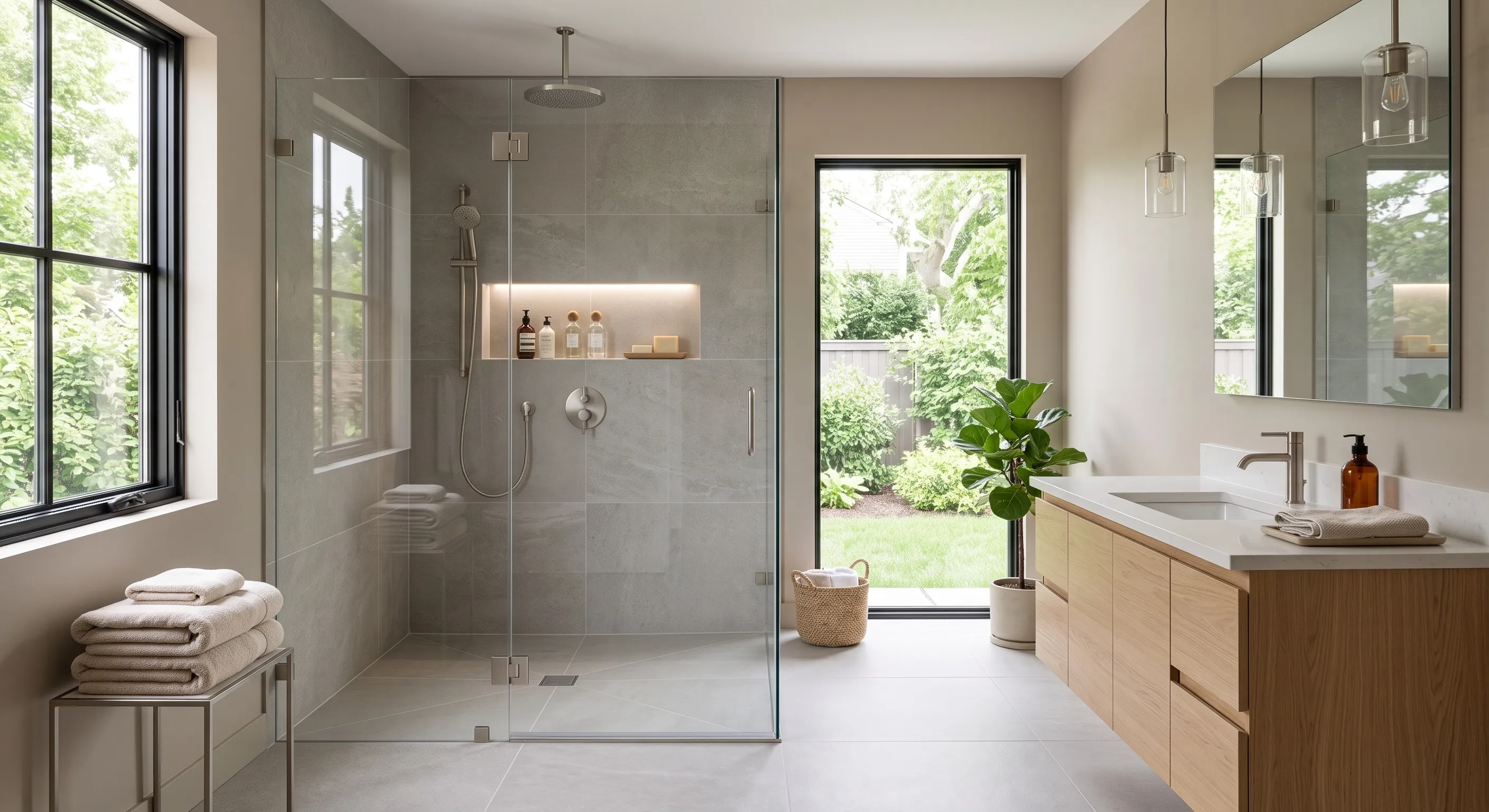
Most bathroom remodeling costs fall between $15,000 and $50,000+. A guest bathroom refresh costs less than remodeling a large primary bathroom with custom tile, a walk-in shower, a freestanding tub, and premium fixtures.
Living Areas and Bedrooms
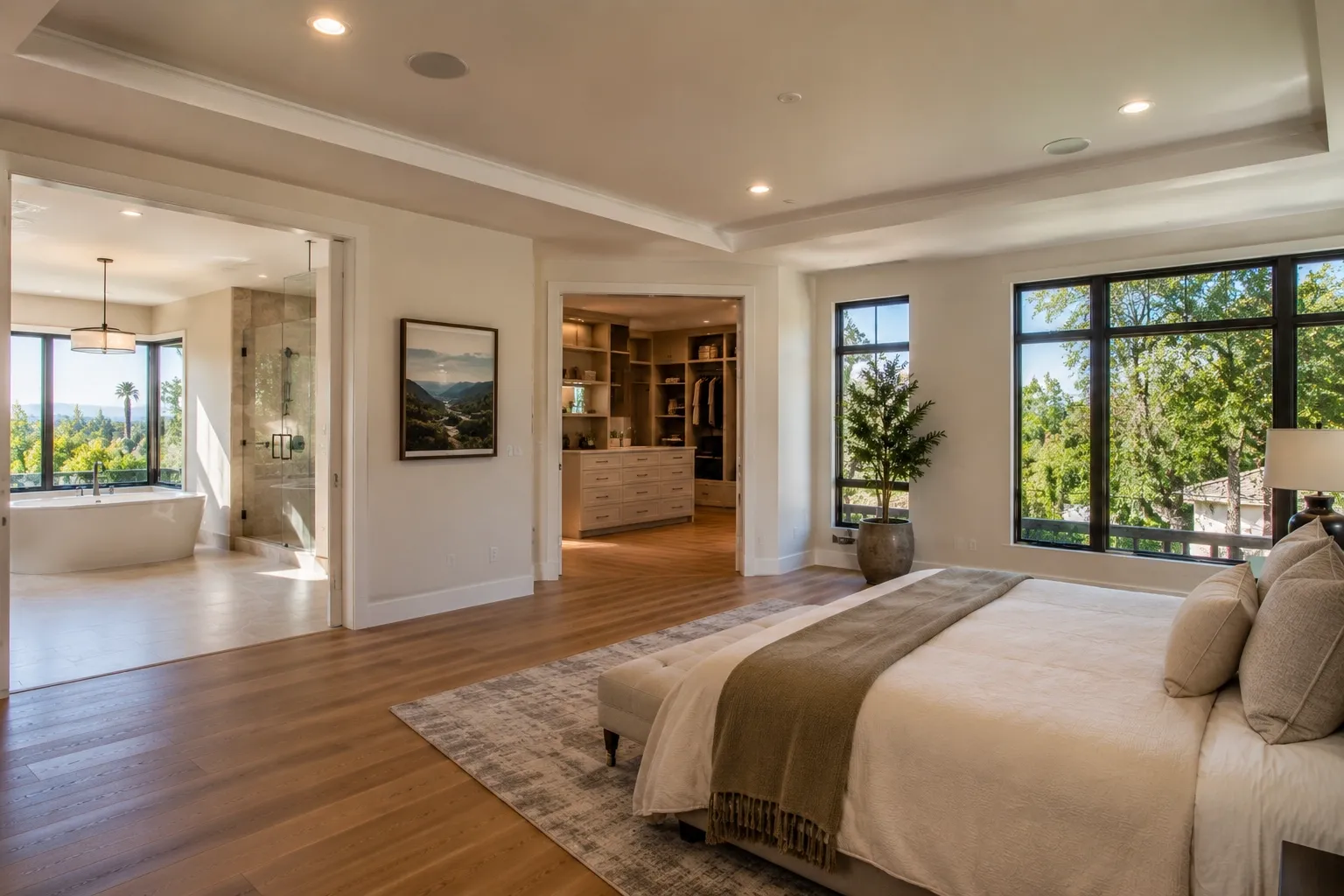
Updating living rooms and bedrooms generally costs between $10,000 and $40,000+. Expenses vary based on flooring, lighting, built-in cabinetry, paint, trim work, and whether structural modifications are part of the project.
Flooring, Painting, and Interior Finishes
Replacing flooring and updating interior finishes usually costs $8,000 to $35,000+, depending on the home's size and the materials selected. Hardwood flooring, designer paint, custom trim, and premium finishes require a larger budget than standard options.
Electrical, Plumbing, and HVAC Upgrades
Upgrading essential home systems typically ranges from $10,000 to $40,000+. These improvements often include rewiring, replacing outdated plumbing, installing energy-efficient HVAC equipment, and bringing older homes up to current building codes. While these upgrades aren't always visible, they are an important part of your whole home renovation cost and contribute to long-term safety and performance.

Hidden Costs Homeowners Often Overlook
When planning a whole home remodel budget, it's easy to focus on visible upgrades like new flooring or cabinets. However, several hidden expenses can affect the final cost if they aren't included in your initial plan.
Some of the most common overlooked costs include:
- Design and architectural services: Professional planning helps ensure your remodel is functional, code-compliant, and tailored to your goals.
- Permits and inspections: Most major remodeling projects require permits and inspections, which vary depending on the scope of work and local regulations.
- Unexpected repairs: Once walls, floors, or ceilings are opened, contractors may discover water damage, outdated wiring, plumbing issues, or structural concerns that need immediate attention.
- Temporary living arrangements: If the renovation affects essential areas such as the kitchen or multiple bathrooms, you may need temporary housing during construction.
- Material price changes: The cost of building materials can fluctuate, especially during long-term remodeling projects.
Setting aside a contingency fund, typically around 10% to 20% of your planned budget, can help cover these unexpected expenses without disrupting your project or compromising on quality.
How to Create a Realistic Remodeling Budget
A well-planned budget is the foundation of a successful home remodeling project. Instead of focusing only on the initial estimate, consider the full scope of work and prepare for unexpected expenses.
Here are a few practical tips to help you plan your home renovation budgeting:
- Define your priorities: Identify the upgrades that matter most and separate them from optional features.
- Request a detailed estimate: A clear, itemized quote helps you understand where your investment is going and reduces surprises later.
- Include a contingency fund: Reserve 10%–20% of your budget for unexpected repairs or material price changes.
- Choose quality over shortcuts: Durable materials and professional workmanship often save money on future maintenance and repairs.
- Work with an experienced design-build contractor: A knowledgeable team can help you balance your vision, budget, and timeline while keeping the project organized from planning through completion.
Planning ahead and making informed decisions allows you to stay within budget while achieving a remodel that adds lasting value to your home.
Conclusion
Understanding whole home remodeling costs in 2026 is the first step toward planning a successful renovation. While every project is different, your final investment will depend on factors such as the size of your home, the scope of work, material selections, and any necessary structural or system upgrades.
By creating a realistic budget, preparing for hidden costs, and working with an experienced design-build contractor, you can avoid costly surprises and make confident decisions throughout the remodeling process.
If you're ready to transform your home, the team at SAGA Home Builders can help you plan every stage of your renovation—from the initial consultation and design to construction and the final walkthrough. Contact us today to discuss your vision and receive a personalized estimate for your whole home remodeling project.
Frequently Asked Questions
Your budget depends on your home's size, the scope of the renovation, material selections, and labor costs. A professional assessment is the best way to receive an accurate estimate tailored to your project.
The scope of the renovation has the greatest impact on cost. Projects involving structural changes, layout modifications, or major system upgrades generally cost more than cosmetic updates.
The timeline varies based on the project's complexity. Smaller remodels may take a few months, while extensive whole home renovations can take significantly longer, especially if permits, custom materials, or structural work are involved.
It depends on the condition of your existing home and your long-term goals. Remodeling is often more cost-effective when the home's structure is sound, while building a new home may be the better option if extensive repairs or major structural changes are required.