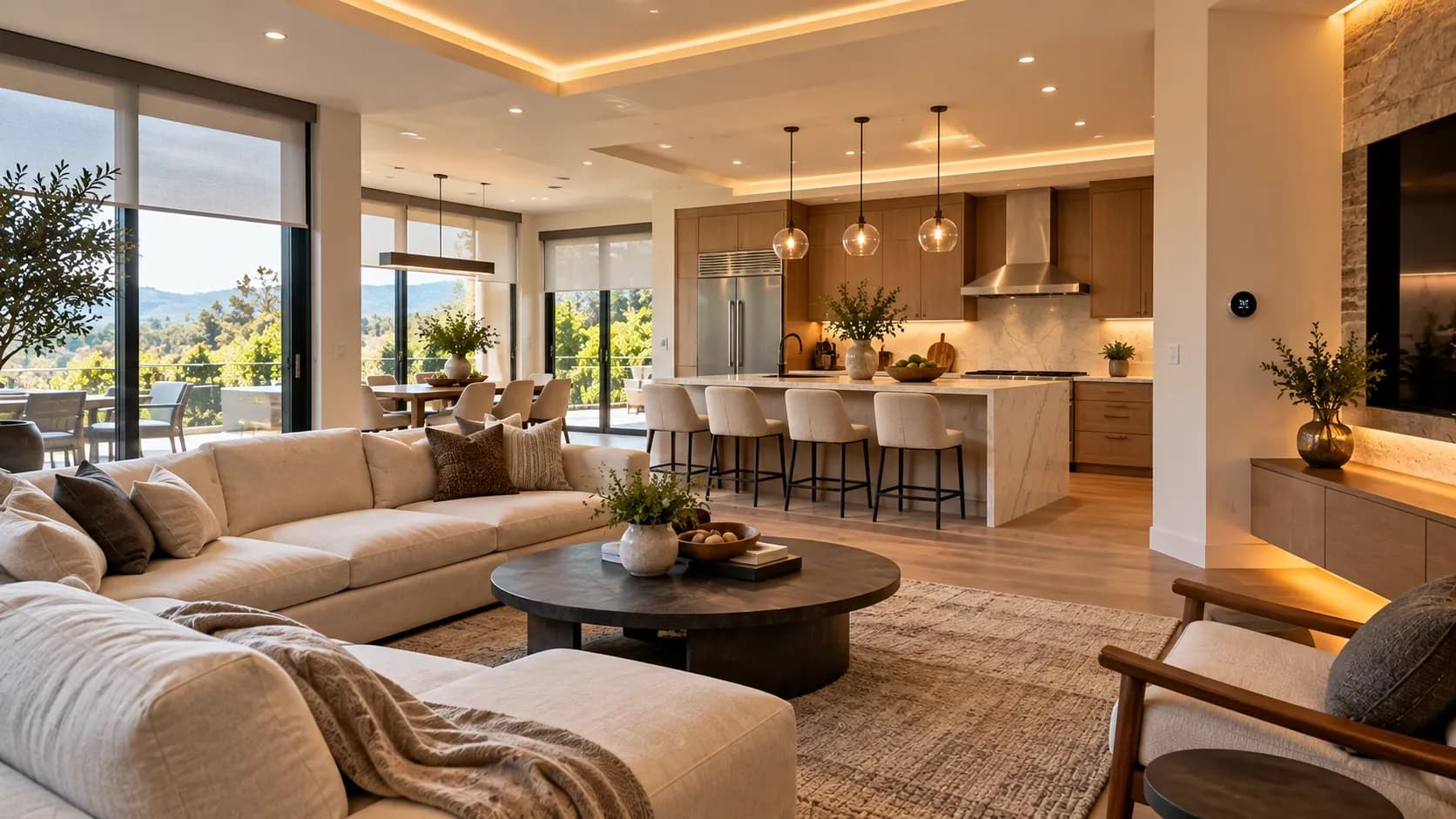
The most valuable smart home integrations for a 2027 remodel include smart lighting, automated climate control, security systems, connected appliances, and reliable home networking. Planning these features during construction makes it easier to install wiring, position devices, and coordinate systems before walls and ceilings are finished.
The Most Valuable Smart Home Upgrades to Plan During a Remodel
Smart home upgrades work best when they solve everyday problems. Consider how you use each room, which tasks could be automated, and what features you want to control from a phone, voice assistant, or wall-mounted panel.
Smart Lighting and Automated Lighting Controls
Smart lighting systems let you adjust brightness, set schedules, and control multiple lights together. Some systems also support dimming and color-temperature changes throughout the day.
During a home remodel, consider installing smart switches, compatible dimmers, and lighting zones for kitchens, living rooms, bedrooms, and hallways. You can create scenes for activities such as cooking, entertaining, or winding down at night.
Check bulb and switch compatibility before purchasing equipment. Some smart switches require a neutral wire, and certain LED fixtures may not work with every dimmer.
Smart Thermostats and Climate Control
Smart thermostats can adjust heating and cooling schedules based on your routine. Depending on the model and HVAC system, they may also offer remote control, occupancy detection, and energy-use reports.
For larger homes, room sensors or zoning controls can help manage temperature differences between areas. However, these features depend on your existing heating and cooling equipment.
Plan thermostat locations carefully and confirm compatibility with your HVAC system before installation. A smart thermostat cannot correct poor insulation, inadequate ductwork, or an improperly sized system on its own.
Smart Security, Locks, and Video Doorbells
Smart home security systems can combine connected locks, video doorbells, cameras, motion sensors, and door or window sensors.
Smart locks allow keyless entry and temporary access codes for approved visitors. Video doorbells can show who is at the entrance, while security cameras provide additional monitoring where needed.
During remodeling, plan power sources, network coverage, camera angles, and mounting locations. Choose equipment with suitable privacy settings, secure account controls, and a clear approach to storing video footage.
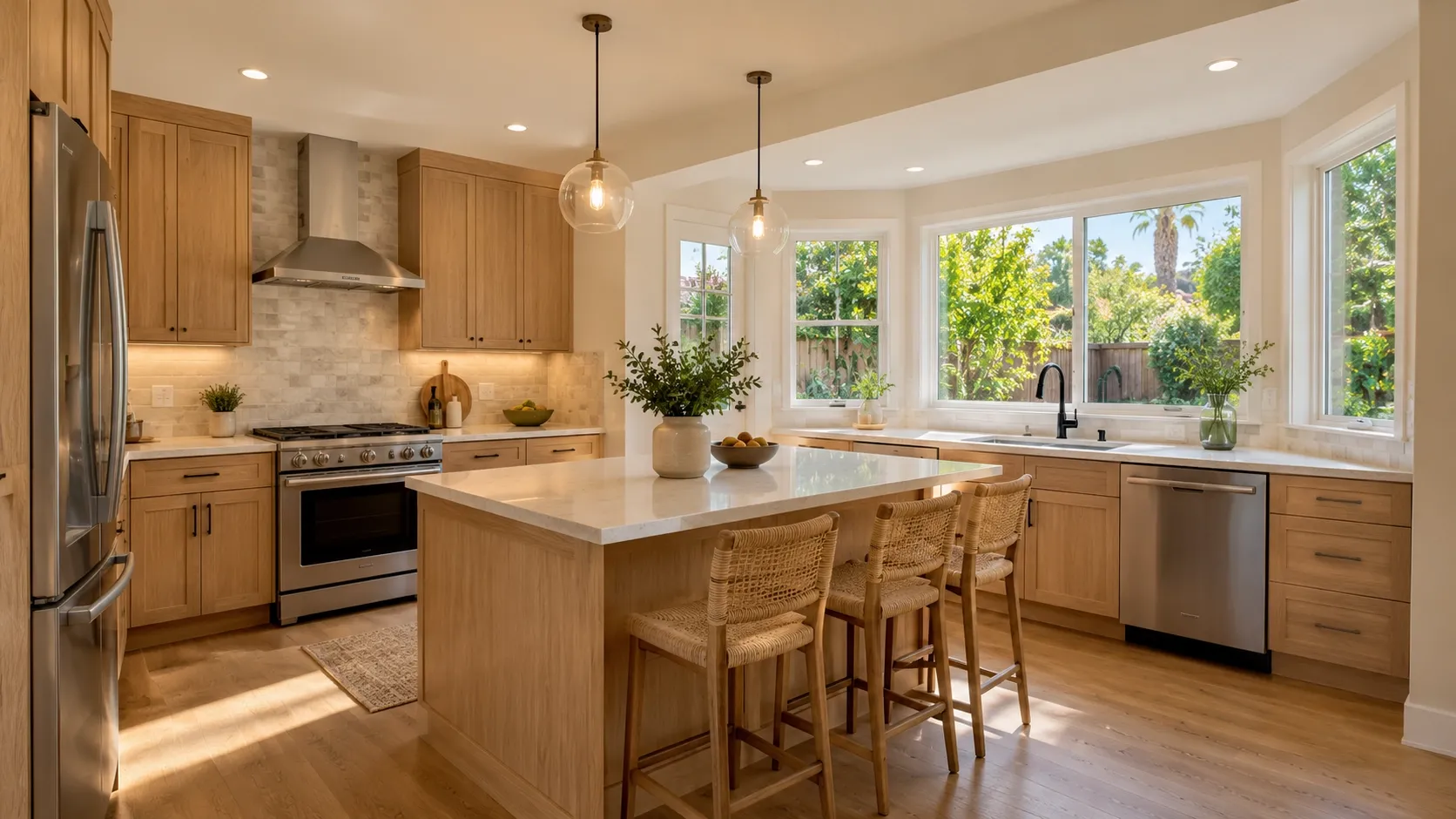
Smart Kitchen Appliances and Connected Devices
Connected kitchen appliances can make everyday tasks more convenient. Depending on the appliance, features may include remote monitoring, cooking notifications, maintenance alerts, and programmable settings.
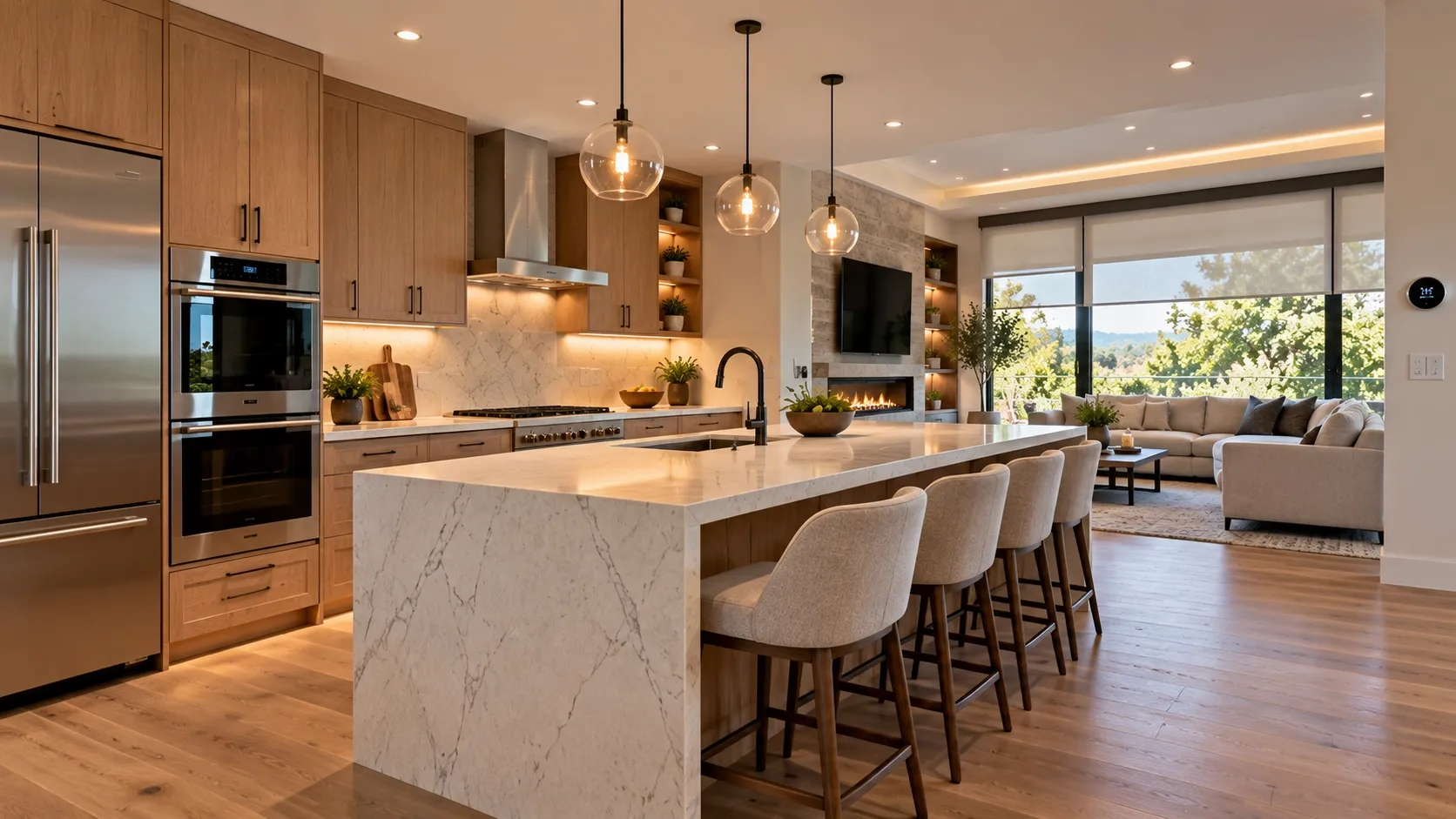
During a kitchen renovation, confirm electrical requirements, outlet locations, and network connectivity before cabinets and backsplashes are installed. For built-in appliances, coordinate specifications with the cabinet layout.
Not every connected appliance provides meaningful value. Prioritize features that support your cooking habits, safety, or maintenance needs rather than paying extra for functions you are unlikely to use.
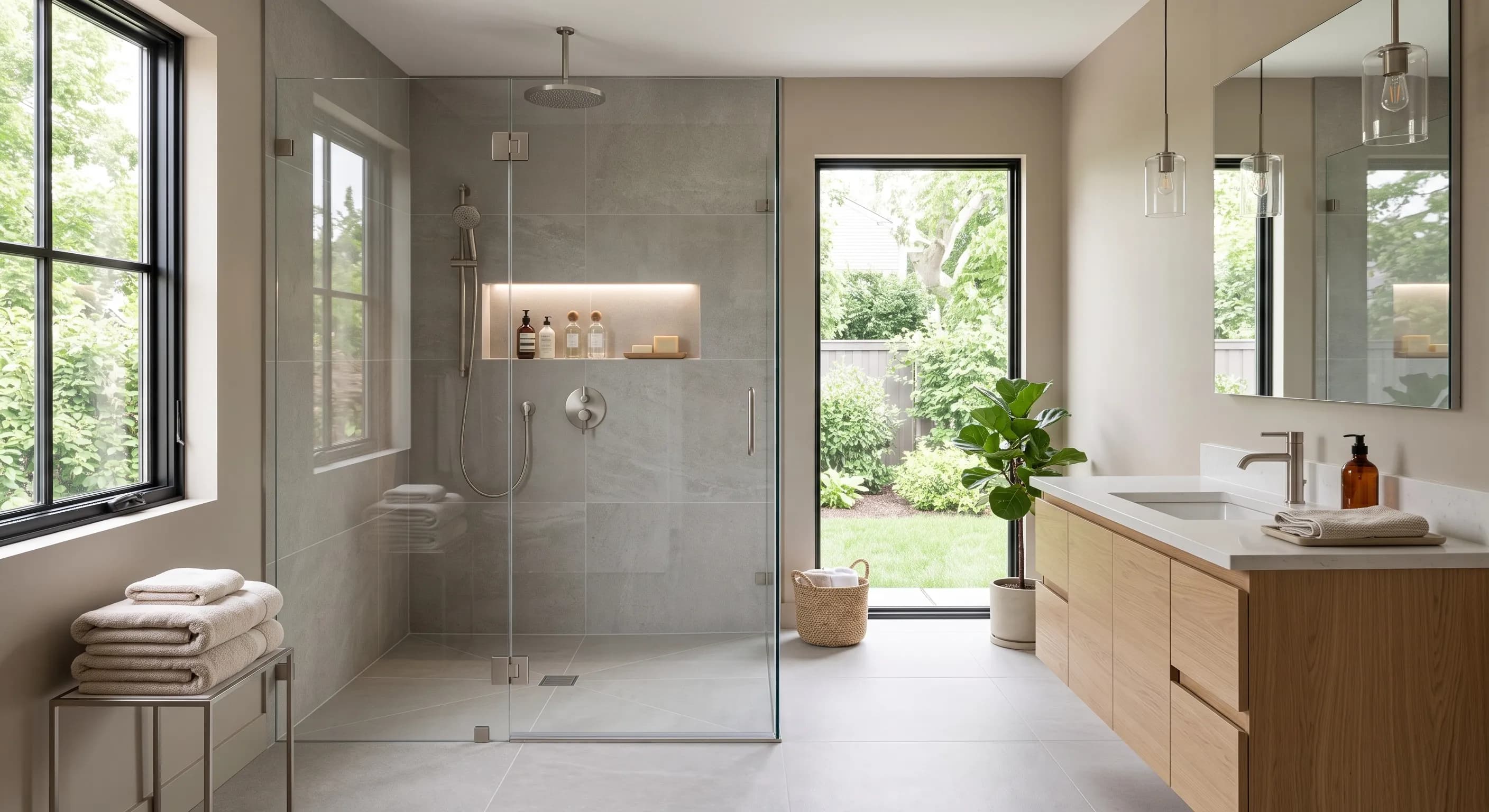
Smart Bathroom Features and Water Leak Detection
Smart bathroom technology can include digital shower controls, programmable water temperatures, smart ventilation controls, and leak sensors.
Water leak detection is especially useful around sinks, toilets, washing machines, and other plumbing connections. Some systems send alerts when moisture is detected, while more advanced setups can trigger an automatic shutoff valve.
If you are remodeling a bathroom, decide where sensors, controls, and power supplies should go before finishes are installed. Any electrical equipment near water must be suitable for its location and installed according to applicable safety requirements.
Motorized Blinds and Automated Window Treatments
Motorized window treatments let you open or close blinds and shades using a remote, app, schedule, or compatible automation system.
They can improve convenience for high windows and help manage sunlight, glare, and indoor comfort. Automated schedules may also reduce direct sunlight during the hottest parts of the day.
During construction, decide whether the system will use batteries, plug-in power, or concealed wiring. Plan for access to motors and controls so future maintenance does not require removing finished materials.
Whole-Home Audio and Entertainment Systems
Whole-home audio systems distribute music across selected rooms or outdoor areas. You can often control each zone separately or play the same audio throughout the home.
A remodel provides an opportunity to plan speaker locations, wiring routes, equipment storage, and power outlets before walls are closed. For television and media areas, consider cable management, Ethernet connections, and the location of receivers or streaming equipment.
Think about how the system will be used. A few well-placed speakers may be more practical than installing audio equipment in every room.
Smart Home Wiring and Infrastructure to Install Before Construction Ends
Smart devices depend on more than the devices themselves. Reliable power, network coverage, and accessible equipment locations help prevent problems after the remodel is complete.
Structured Wiring, Ethernet, and Reliable Wi-Fi
Wi-Fi works well for many smart devices, but wired Ethernet connections can provide more consistent performance for equipment such as desktop computers, televisions, access points, and network hubs.
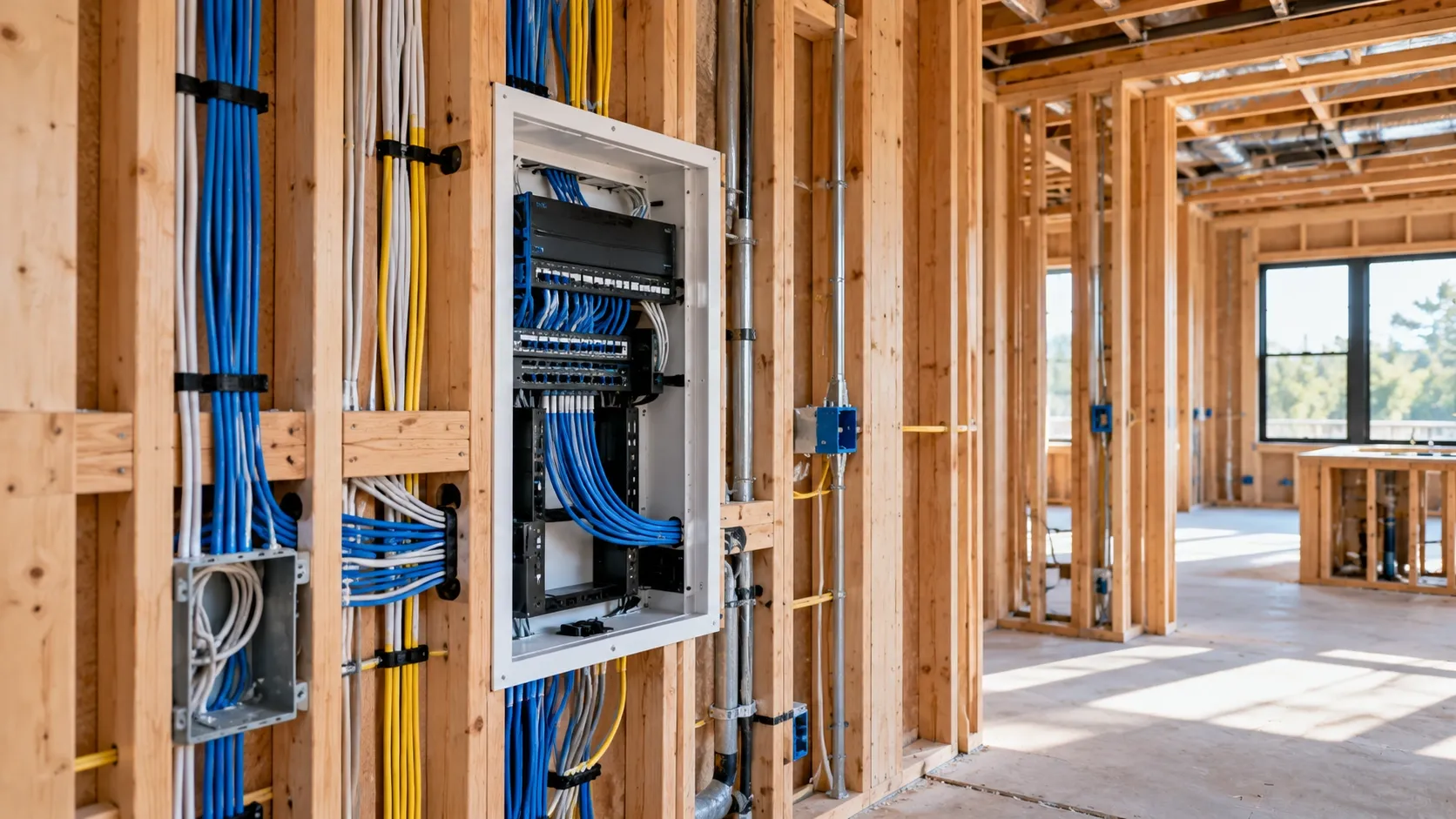
Consider running network cables to important locations while walls are accessible. A structured wiring panel can organize connections in one central location, while strategically placed access points can improve Wi-Fi coverage.
Large homes, multiple floors, and dense construction materials may require more than one access point. A network plan should account for the home's layout, device count, and internet service.
Smart Switches, Outlets, and Dedicated Power Requirements
Smart switches, outlets, sensors, and control panels need suitable power and compatible electrical connections.
Before installation, confirm which devices need a neutral wire, dedicated circuit, low-voltage connection, or permanent power supply. Battery-powered equipment may simplify installation, but batteries will eventually need replacement.
Coordinate electrical work with the remodel's broader plan. Moving a switch or adding an outlet is usually easier while the wall is open than after drywall, paint, and cabinetry are finished.
All electrical work should follow applicable codes and be completed by qualified professionals.
Centralized Hubs and Device Compatibility
Centralized smart home control systems bring compatible devices together through an app, hub, or control panel. They can simplify everyday tasks by allowing multiple devices to respond to a single command or schedule.
For example, a single evening routine might dim selected lights, adjust the thermostat, and lock compatible doors. The exact functions depend on the devices and platform you choose.
Before buying equipment, check whether it supports your preferred ecosystem and communication standards. Also confirm whether essential functions continue working if the internet connection fails.
Choose systems with clear update policies and secure account settings. Avoid building your entire setup around devices that cannot communicate with one another or that depend on unsupported software.
How Smart Home Automation Can Improve Energy Efficiency
Smart home automation can help reduce unnecessary energy use by adjusting lighting, heating, and cooling according to occupancy, schedules, and user preferences.
Useful options include:
- Smart thermostats: Adjust heating and cooling schedules to match your routine.
- Lighting controls: Turn off selected lights automatically when rooms are unoccupied.
- Motorized shades: Limit direct sunlight when it contributes to unwanted indoor heat.
- Energy monitoring: Track electricity use through compatible devices or monitoring equipment.
These features do not guarantee lower utility bills. Results depend on household behavior, local weather, equipment efficiency, insulation, and the home's existing systems.
How to Choose Smart Home Features That Fit Your Lifestyle
The best smart home technology is the technology you will actually use. Before selecting devices, identify your priorities, establish a realistic budget, and consider how the systems will work together.
Use these steps to guide your decisions:
- List your everyday needs: Decide whether comfort, security, entertainment, convenience, or energy management matters most.
- Prioritize infrastructure: Plan wiring, outlets, network access, and equipment locations before construction finishes.
- Check compatibility: Confirm that devices work with your preferred platform and with one another.
- Plan for future changes: Choose systems that allow compatible devices to be added or replaced later.
- Protect privacy and security: Use strong passwords, multifactor authentication where available, and regular software updates.
Smart home planning should also fit into the overall renovation schedule. Homeowners preparing for a major update can benefit from a structured whole-house remodeling plan that coordinates design choices, trades, and construction milestones.
Conclusion
Smart home integrations can make a remodeled house more convenient, comfortable, and easier to manage. Lighting controls, smart thermostats, security devices, connected appliances, and reliable networking are practical starting points for many homeowners.
The most important step is to plan the infrastructure before construction is complete. Select compatible equipment, prioritize features that support your routine, and leave room for future upgrades.
If you are planning a home renovation in Los Angeles, consider discussing technology requirements early in the design process so they can be coordinated with the rest of the work.
Frequently Asked Questions
Smart lighting, thermostats, security systems, Ethernet wiring, and leak detection are useful options for many homes. The best choices depend on your budget, existing systems, and daily needs.
Yes, when the planned system requires concealed wiring. Installing cables and planning power locations while walls are open can reduce the need for future cutting and repairs. Wireless devices can still be added later.
Yes, some devices from different brands can work together through shared platforms or supported standards. However, compatibility is not universal, so check supported features before purchasing equipment.
Wired connections generally provide stable communication and do not depend on Wi-Fi coverage. Wireless devices offer easier installation and flexibility. Many homes benefit from a combination of wired infrastructure and wireless devices.